The Art of Slowing Down: A Highland Guide to Reclaiming Your Rhythm
I have often treated rest as a one-off task, a quick break to tick off a list before rushing back into the noise of digital burnout and daily demands. But I’ve recently found that truly learning how to slow down is an art form. It is a vital practice for stress management and long-term wellbeing that takes time to develop.
For most of us, reclaiming our rhythm requires the difficult, intentional work of breaking old, entrenched habits and finding a new way to navigate modern life.
The Invisible Undercurrent
I feel as though the way the modern world is today doesn’t just ask us to go fast; it creates a powerful undercurrent that pulls us there. It’s a silent, persistent force that drags us into a frantic tempo until that speed becomes a habit we don't even realise we’ve formed. Once you’re in that deep channel, it’s incredibly hard to get out.
We are surrounded by constant noise, adverts, pings, and notifications. We are up against algorithms specifically engineered to keep us swiping and looking, yet they offer very little in return. It’s a torrential river of information, and if we aren't careful, it sweeps us miles away from peace.
Below you will hopefully find some helpful practices that encourage you to step out of the main flow and discover an eddy, a quiet spot where the water slows, and you can finally rediscover your own natural rhythm.
Why I’m Sharing This
I’m not some expert wellness guru, however, I do enjoy reading and am a firm believer in the power of a simpler pace. What follows isn’t just me winging it (excuse the duck pun), it’s a collection of insights from researchers and professionals, blended with my own personal anecdotes from life here at The Lazy Duck, in the Cairngorms National Park. By no means am I suggesting that I have this all sorted, and I have intentionally used the concept of ‘practices’ to indicate that mastering the art of slowing down takes time, and a whole lot of persistence.
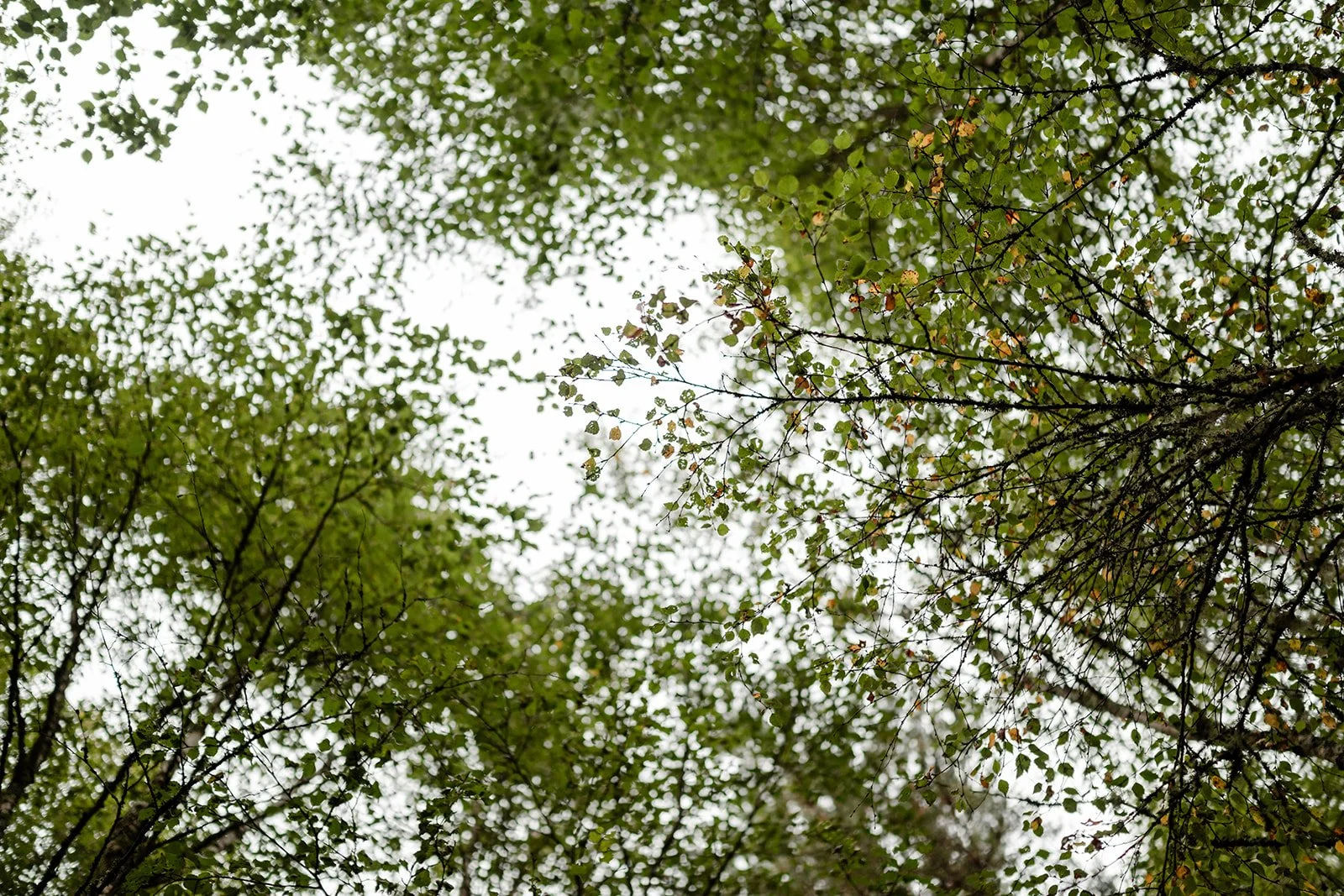
Looking up at The Lazy Duck
Practice 1 - Digital Silence: How to Reduce Phone-Induced Cortisol
This might seem obvious, but for most of us, it is the hardest eddy to find. The smartphone has become an invisible extension of our bodies, a tether to work, emails, and endless entertainment. I’ll be the first to admit: I often feel lost without it.
Have you ever noticed the twitch in your hands while waiting in a queue? The immediate urge to fill a ten-second gap of silence with a swipe? We’ve been conditioned to believe that being alone with our thoughts is a problem that needs a digital solution.
Breaking this habit feels clunky. It feels awkward. For me, it initially felt entirely unnatural, and yet, staring at a screen is the least natural thing we can be doing. It pulls us out of the dynamic environment we are in, disrupts our connection to the people around us, and leaves us fundamentally un-present.
Tucking the Phone in for the Night
I’ve found that setting a few casual boundaries is the only way to swim against this particular undercurrent. I bought a small, phone-sized wicker basket. I like to think of it as my "phone’s bed."
At night, the phone goes to sleep in its basket. It doesn’t come out until I’ve finished my breakfast and brushed my teeth the next morning. I realised that those first and last moments of the day are my most vulnerable; by replacing a screen with a simple alarm clock, I reclaimed these vital parts of my day for myself, rather than for the world's notifications.
The Science of the "Always-On" Mind
You don’t have to take my word for it; there has been a good bit of research into "Digital Overload" (click the orange words to read more).
-
Every notification triggers a tiny hit of dopamine. Research from Harvard University suggests that social media apps are specifically designed to mimic the neurological pathways of gambling, making the habit of "checking" incredibly difficult to break through willpower alone.
-
A study published by the University of Chicago found that even if your phone is turned off, its mere presence within reach reduces "available cognitive capacity." It’s likely that simply being aware of it’s presence in the room makes you slightly less capable of deep thought.
-
Constant connectivity keeps our bodies in a low-level state of "fight or flight." By practicing digital silence, we allow our cortisol levels to drop, shifting the nervous system from stress into a state of rest.
Practice 2 - The Intentional Rest Day: Breaking the Cycle of Productivity Guilt
It sounds "old school," I know. But there is a profound power in the ancient concept of a Sabbath, the act of intentionally making one day of the week look and feel completely different from the other six.
If the modern week is a torrential river, the rest-day is the boulder that breaks the current, forcing the water into a slow, calm eddy. For me, it’s the most practical (but hardest) way to hit the pause button, get the right work-life balance, and reset my internal rhythm before the next week’s flow begins.
How to Make a Day Look Different
I’ve chosen Sunday as my anchor, simply because it’s the day I’m least likely to be pulled into work, but the specific day matters less than the protection of it. To make it feel distinct, I set a few gentle guidelines for myself:
The Pocket Test: My phone stays in its wicker bed. If it’s not in my pocket, I’m less tempted to "just check".
No 'Big Jobs': I consciously step away from the heavy lifting. I attempt to do no major housework, no DIY, and no staring at a screen for work.
Prioritizing the important stuff: I fill the space with things that actually restore me: relationships, good food, walking somewhere beautiful with my family, or just sitting still. It’s about being present without the mental strain of a to-do list buzzing in the background.
The Science of 'Temporal Landmarks'
There is some interesting research to suggest that these stops help to keep our brains healthy.
-
Behavioural scientists often refer to these as “Temporal Landmarks”. Research suggests that creating a clear break in time helps our brains compartmentalise stress and increases our motivation for the week ahead. Without a rest day, our weeks blur into one long, exhausting stretch.
-
There is a significant body of research highlighting that restorative environments (like a day spent in nature or with family without distractions) are essential for recovering from “Directed Attention Fatigue”. Essentially, by doing less, you are actually recharging the part of your brain that handles focus and decision-making.
A Word of Warning: The Guilt of the 'Unproductive'
I want to be clear: this is not easy. In a world that prizes "the hustle," intentionally having a proper rest day can feel uncomfortable. You might find a voice in your head whispering that you’re being lazy, or that you’re falling behind.
That feeling of being "unproductive" is a powerful undercurrent, and it takes real mental strength to fight it. But here is what I’ve discovered: Rest is not the opposite of productivity; it is the engine of it. I have found that when I properly protect my rest day, I am sharper, and more effective during the other six days of the week. By slowing down to a crawl for twenty-four hours, I actually find the momentum to swim stronger when I step back into the flow.
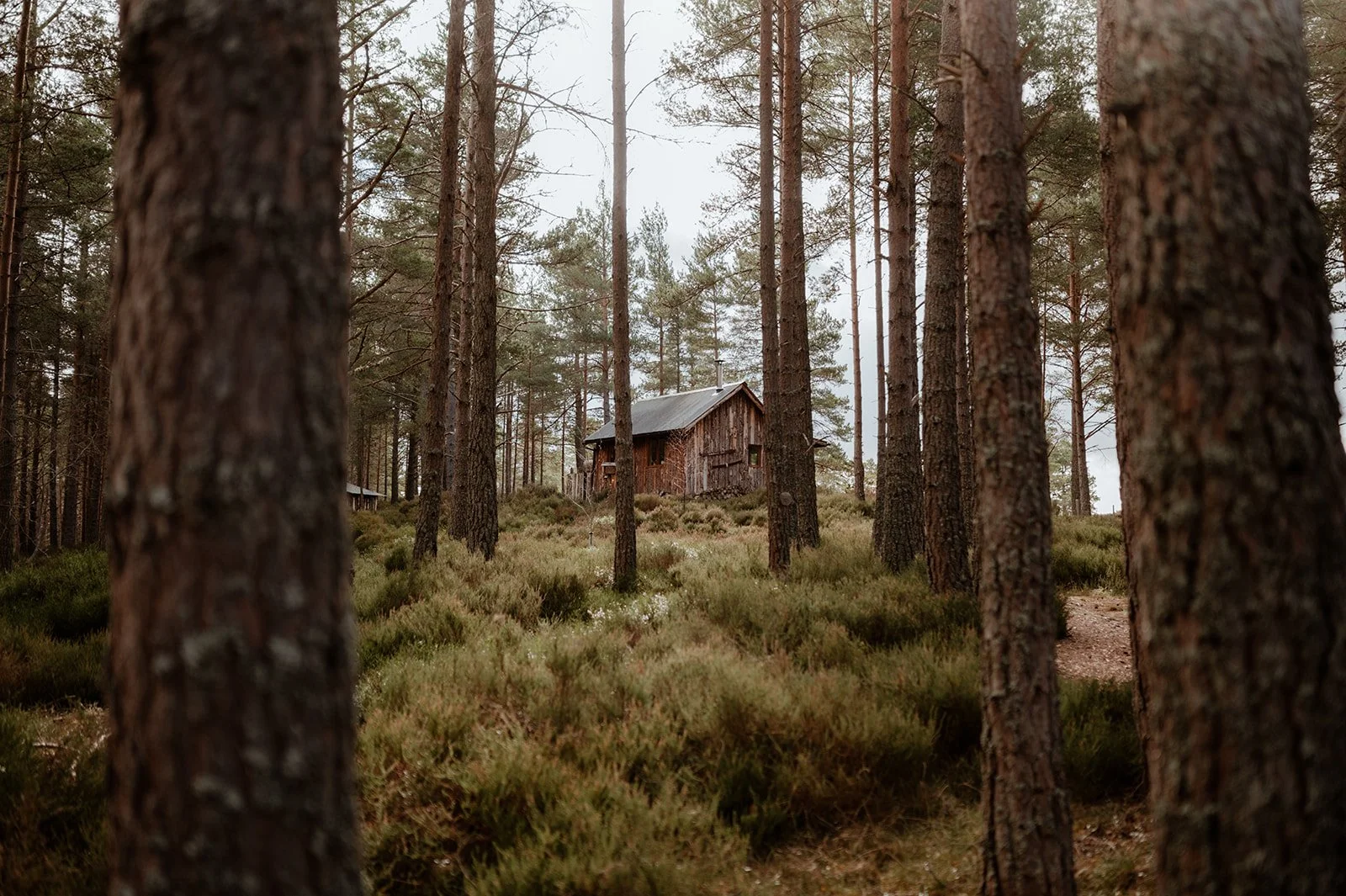
The Woodman’s Hut
For more thoughts on stepping away from the screen and reclaiming your time, have a look at one of our earlier blogs:
Digital Detox in the Cairngorms: 5 Reasons to Switch Off
Practice 3: Nature Watching: Using ‘Soft Fascination’ to Restore Focus
This is perhaps the simplest practice on the list, yet it’s the one we overlook most often. The next time you cross a bridge, walk through a local park, or even just pass a garden, I invite you to do something radical: Pause.
In the torrential flow of a busy day, I so often treat the outdoors as the backdrop to my commute or the same old A-B journey that I want to hurry through. Nature watching is about stepping out of that flow. By pausing for even sixty seconds to simply observe, I’ve begun noticing the symphony of sounds and the intricate details, the way light hits a leaf or the specific rhythm of a bird’s call, that I would otherwise have missed. In the process, it feels like I find a bit of calm.
How to Practice the Pause
You don’t need a big hill or an ancient caledonian forest to do this. You can plan it as part of a long walk, but it’s even more effective when it becomes a spontaneous habit:
The Bridge Rule: Every time you cross a bridge, try to stop in the middle (when walking…doing this in the car might not be the best habit). Look at the current for ten breaths, and just see what happens.
The Sky Check: Once a day, stop and look up (again, preferably not when driving). Notice the clouds, the colour of the light, or the movement of the wind.
The Sensory Scan: Close your eyes for a moment. What is the furthest sound you can hear? What is the closest?
The Science of 'Soft Fascination'
There is a specific psychological term for this: Soft Fascination. Unlike the "Hard Fascination" required by a computer screen or a city street (which tires the brain)…sorry I realise it’s ironic; you are reading this on a screen…nature provides a gentle input that allows our minds to wander and recover.
-
A study published in the International Journal of Environmental Research and Public Health found that just three to five minutes of looking at "green space" can significantly lower cortisol levels and blood pressure.
-
Research from the University of Utah suggests that spending time immersed in nature-watching can increase creative problem-solving by up to 50%. By looking at the "small things," you are actually clearing the "big things" out of your mind.
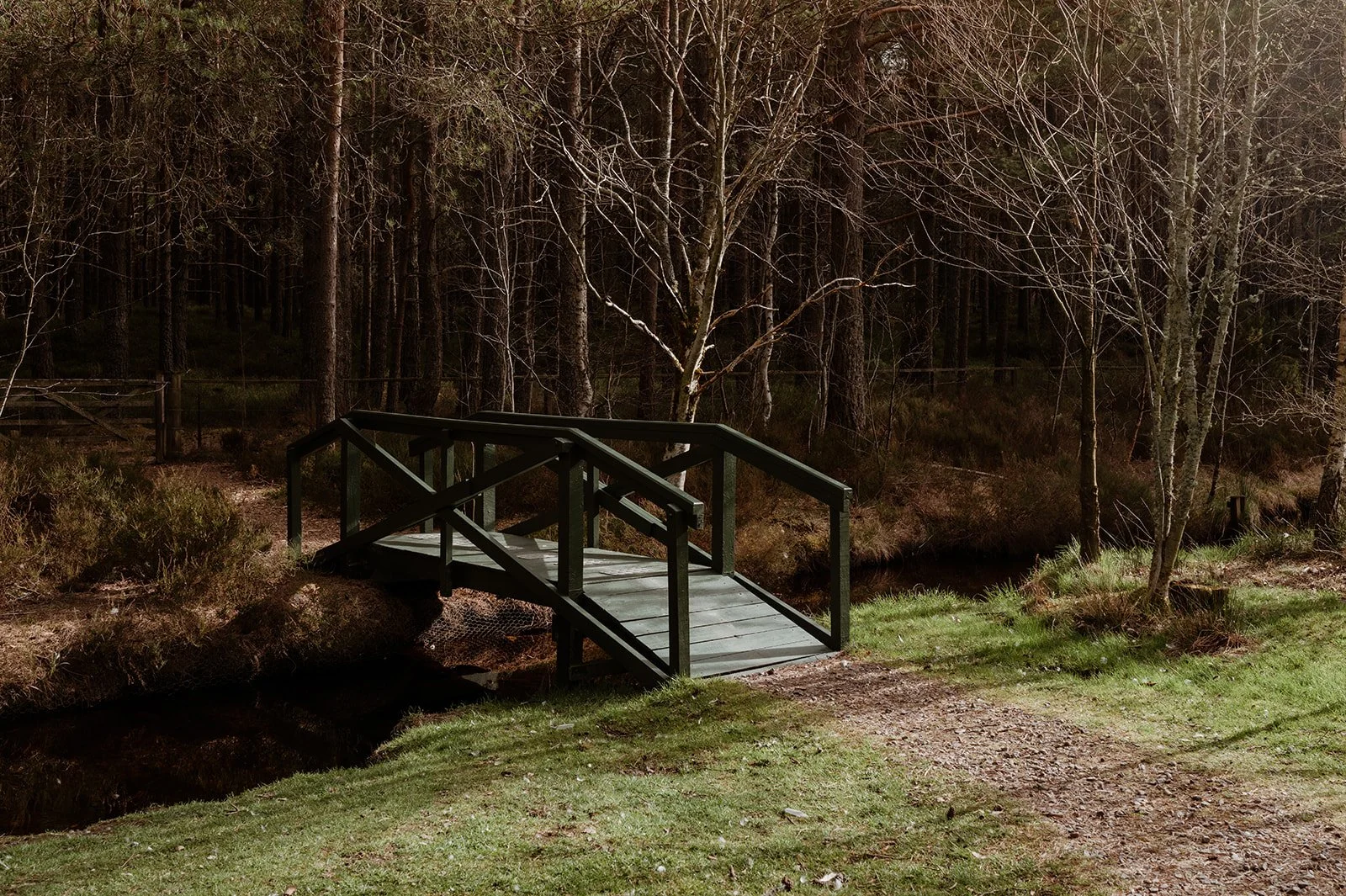
The Bridge - A great place to pause, listen, and watch the flow
Practice 4 - The Quiet Corner: Meditation, Prayer, and Mental Processing
In our world, internal quiet doesn't just "happen." It requires intentional effort, repetition, and the persistence to carve out both the time in your day and a physical space to inhabit.
At The Lazy Duck, we’ve created an intentional well-being hut called Breathing Space, a place to process and receive therapeutic treatments. But at home, this could look like a spare room, or perhaps even just lighting a few candles in the lounge to make the ambience feel quiet.
Listening to the "Non-Loud" Things
No matter your worldview, whether it involves prayer, meditation, mindfulness, or you think all this stuff is a bit whack - there is certainly something about silence that allows the mind to catch up with the body and begin the vital work of processing the noise we’ve gathered throughout the day.
When we are quiet, we start to hear the non-material, non-loud things in this world. It’s in these gaps that we can find perspective and contentment. However, a word of caution: silence can often feel incredibly loud. When you strip away the digital buzz, I’ve found that the thoughts and feelings that crop up can be uncomfortable. But by staying in that quiet place, it seems to allow the silt to settle. Eventually, the noise of your own thoughts begins to clear, helping you reclaim a sense of peace that a screen could never provide.
The Science of Stillness: Cleaning the Slate
There is a fascinating neurological reason why this "processing" time is so vital for our health. When we stop doing, research infers that our brain doesn't actually switch off; it switches gears.
-
Research into the Default Mode Network (DMN) shows that when we aren't focused on a task, our brain enters a state of "internal maintenance." This is the only time the brain can effectively consolidate memories and process complex emotions. Without these moments of stillness, we essentially skip the "save and sort" phase of our mental life, leaving us feeling cluttered and overwhelmed.
-
Building Emotional Resilience: By allowing the default mode network to do its work, we are physically building our emotional 'bounce-back.' Research on Daily Religious Coping suggests that intentional reflection, whether through prayer or quiet meditation, acts as a powerful stress buffer. It helps the brain reframe difficult situations, making life's inevitable challenges feel more like a steady stream and less like a torrential current.
If these practices feel daunting to start in the middle of your everyday rush, sometimes it helps to have a dedicated environment to reset. At The Lazy Duck, we’ve created a wellbeing hut called Breathing Space. It’s a quiet spot designed specifically for the art of slowing down.
You can find out more here.
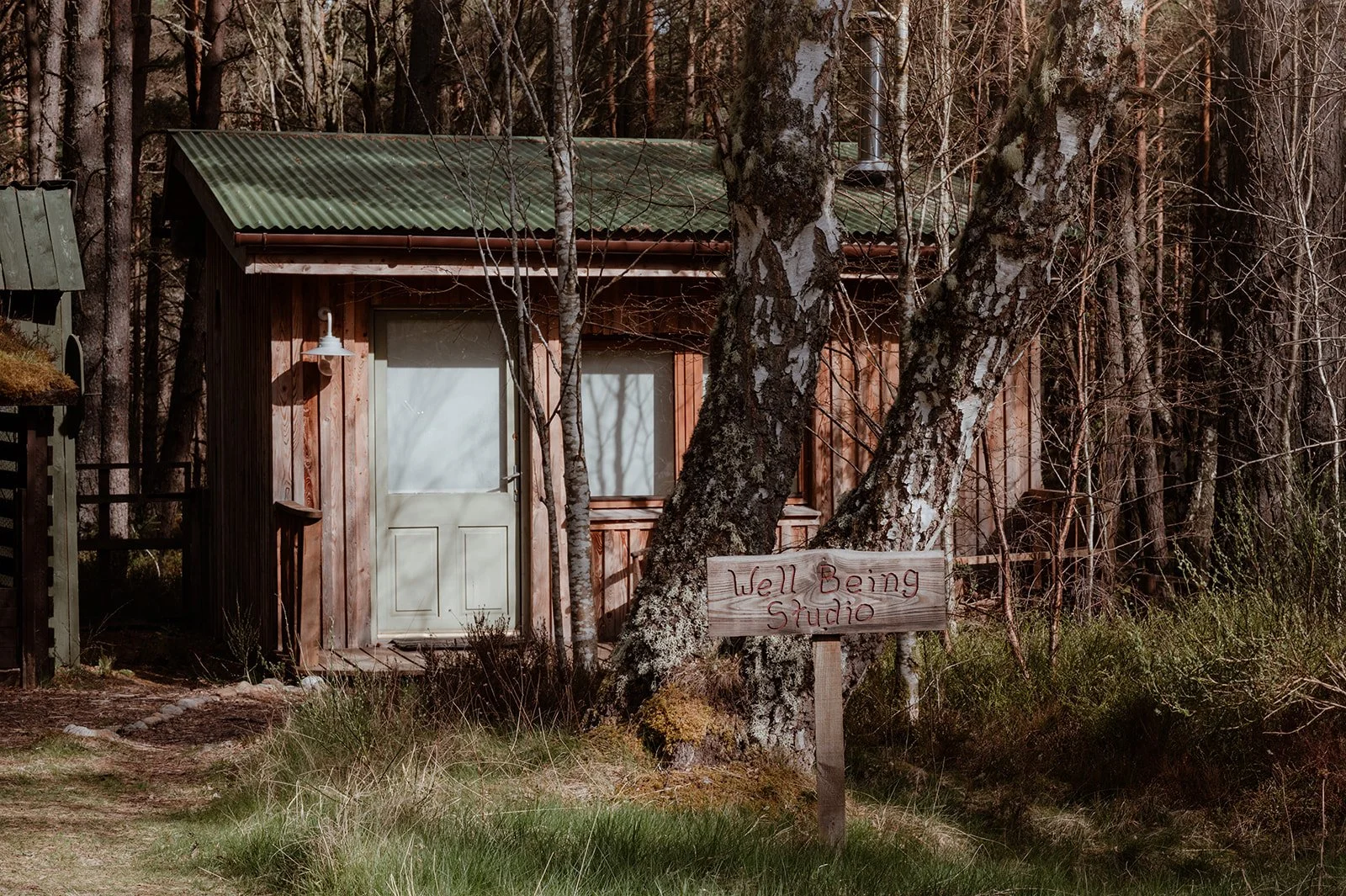
Breathing Space
Practice 5 - The Power of Walking: Boosting Creativity and Emotional Resilience
I’ll be honest: I’m biased on this one. I am a huge fan of hiking. I love a good hill, the feeling of being absolutely knackered, and that unbelievable buzz of overcoming the urge to give up when you finally reach a summit.
But you don’t need a Munro to experience the magic of moving on foot. Simply going for a short walk, if you are able, is one of the most powerful ways to force the world to slow down.
From Windscreen to Wayside
In a car, we roar through landscapes in minutes, shielded by glass and speed. But when we walk, the perspective shifts. At a walking pace, we are gently encouraged to take in more, to think more, and to spend time truly interacting with each environment we pass through. It is a beautiful, rhythmic thing that reminds us we aren't meant to move at 60mph all the time.
The Science of the 'Solvitur Ambulando'
There’s an old Latin phrase, Solvitur ambulando, which means "It is solved by walking." There has been a good amount of research which seems to suggest that the Romans were really onto something.
-
A famous study from Stanford University found that walking, whether indoors or out, boosts creative inspiration by an average of 60%. When your legs start moving, your thoughts start flowing.
-
The rhythmic, left-right movement of walking creates what psychologists call “bilateral stimulation." This helps the brain process difficult emotions and lowers the intensity of anxious thoughts. It’s like a physical reset button for your nervous system.
The Grit of Change: Breaking the Current
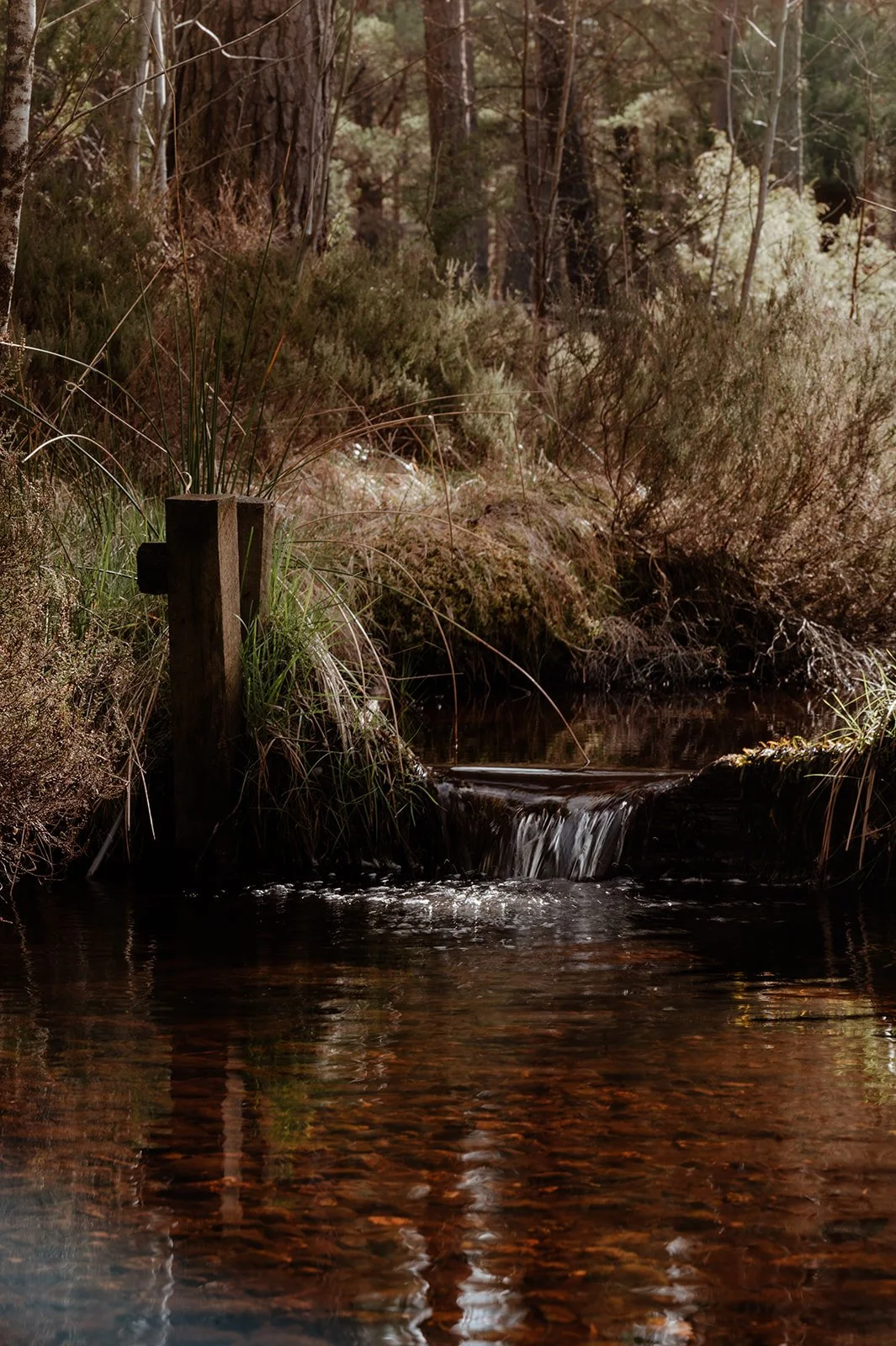
If you’ve read through these practices and felt a spark of hope followed immediately by a heavy sigh of I could never actually do that, you aren’t alone. Habits are like deep channels carved into a riverbed over years of flow; they are comfortable, automatic, and incredibly difficult to redirect.
Breaking an old habit, like reaching for your phone the second you wake up, is clunky. It feels wrong in your body. You will likely fail, quite a few times, and that’s okay. The goal isn't perfection; it’s about slowly moving the stones in the river to create a new path. It takes persistence to swim back into the eddy each time the undercurrent calls you back.
The Science of "Habit Stacking"
So, how do we actually make a new rhythm stick? Some interesting research in this area comes from Dr. B.J. Fogg at Stanford and was popularised by James Clear (author of Atomic Habits).
The secret isn't "willpower"...it could beHabit Stacking.
The Concept: Your brain has already built massive highways for your current habits (like making coffee or brushing your teeth). Instead of trying to build a new road from scratch, you hitch a ride on an old one.
The Formula:“After [Current Habit], I will [New Practice].”
The Examples:"After I put my toothbrush down, I will put my phone in its wicker bed."…"After I finish my lunch, I will go for a 5-minute walk."…"After I cross the bridge on my commute, I will stop for ten breaths."
Finding Your Foothold at The Lazy Duck
Sometimes, the hardest part of slowing down is trying to do it in the same environment that speeds us up. It is difficult to find an "eddy" when you are still surrounded by the noise of the main current.
One of the dreams at the The Lazy Duck is to be a place where the slow rhythm isn't just an idea, it’s the atmosphere. This vision is deeply rooted in the Scottish hutting culture that inspired our founders, David and Valery, over 20 years ago. When they arrived at Badanfhuarain as newlyweds in 1974, they couldn’t help wanting to share this beautiful place with others. They believed that an elemental, off-grid shelter could provide a powerful remedy for the stresses of modern life, and as a result, in 1999 The Lazy Duck was opened.
So whether you are tucked away in a Hebridean box bed watching the stars, wandering the woods, or simply sitting by a fire without a screen in sight, we hope that this corner of the Highlands offers the physical space to put these practices into motion. Ultimately, providing a place where the current feels a little calmer, processing feels more natural, and the quiet feels a little easier to find.