
What Is Off-Grid Living? A Simple Guide to Slowing Down
Off-grid living means living without connection to mains electricity, mains water, and mains sewage systems.
Instead of relying on national infrastructure, off-grid huts create and manage their own power, water, heating and waste systems — often using solar panels, rainwater harvesting, wood burners and compost toilets.
But off-grid living isn’t just about things. It’s also about perspectives.
For many people, it’s stepping away from noise, hurry and constant connectivity, and returning to something quieter and more intentional.
At The Lazy Duck, we see it as a powerful way to slow down.
The Woodman’s Hut - off-grid in the Cairngorms National Park
What Does “Off-Grid” Actually Mean?
When people search “What is off-grid living?” they usually want a clear definition.
Here it is:
An off-grid hut typically:
Is not connected to mains electricity
Does not rely on mains water supply
Does not use mains sewage systems
Produces its own energy (often solar)
Manages its own water collection and storage
Uses alternative waste systems such as compost toilets
Some off-grid homes are completely independent. Others are partially off-grid.
It exists on a spectrum. At The Lazy Duck we use our ‘how off-grid?’ rating to communicate this. But more on that later.
How Do Off-Grid Homes Get Electricity?
How do off-grid homes get power?
Most use:
Solar panels
Battery storage systems
Occasionally backup generators
Low-energy lighting and appliances
Energy use becomes intentional. Instead of unlimited power, there’s awareness:
Turning lights off.
Charging devices mindfully.
Using what you need, not what you’re used to.
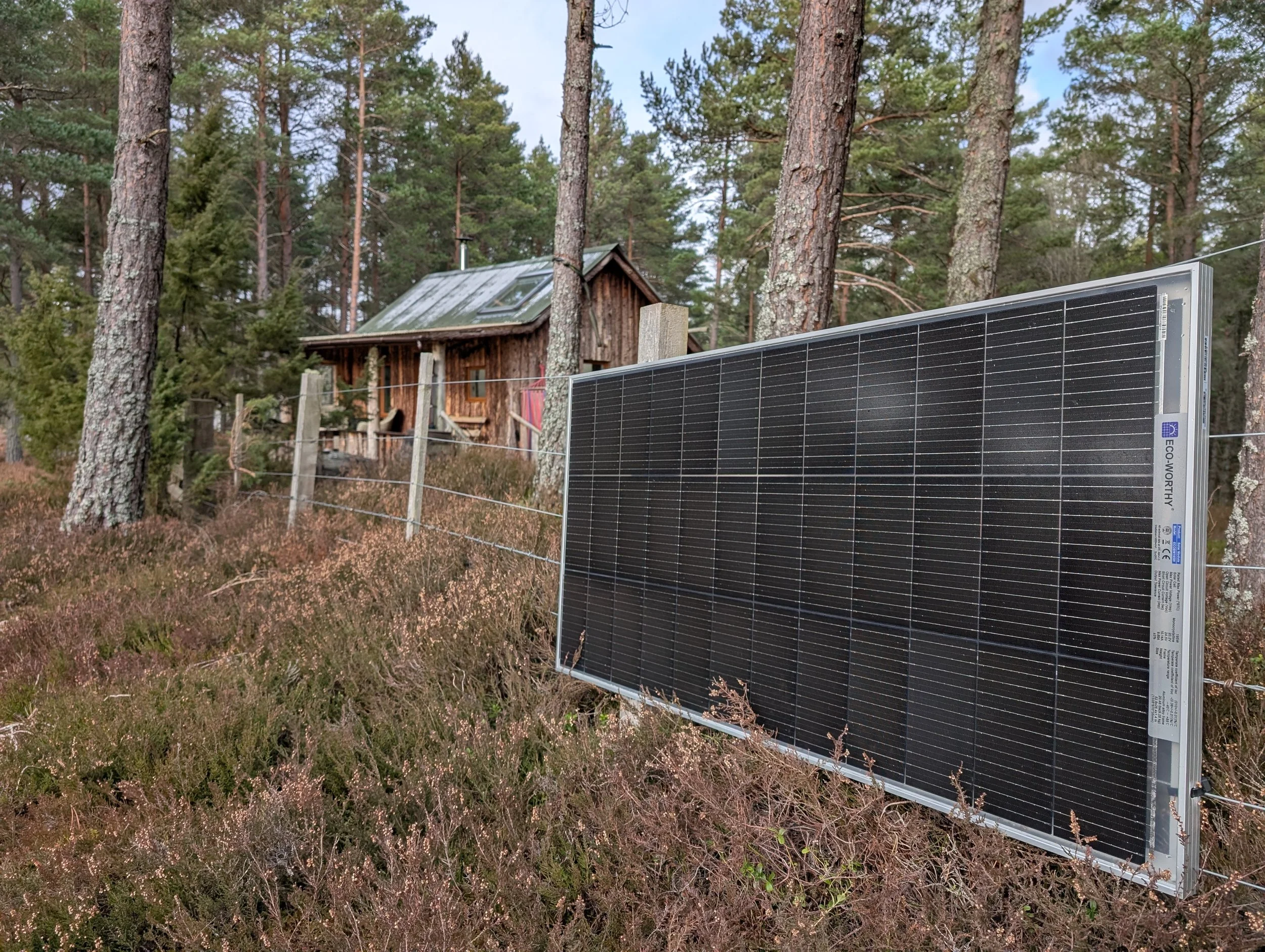
At The Woodman’s Hut, for example, we use a small solar panel to charge an old car battery. This gives just enough power to support two small lights plus a USB charging port. That’s it. No WiFi. No hidden sockets. No background hum. Just enough.
And it’s amazing how, with the right perspective, “enough” soon becomes more than sufficient.
How Do Off-Grid Homes Get Water?
Another popular search:
“How do off-grid homes get water?”
Common systems include:
Rainwater harvesting
Boreholes
Natural springs
Stored water tanks
Water is filtered and stored for washing, cooking and drinking (depending on system design).
Using water off-grid often changes behaviour in subtle ways:
Shorter showers.
Awareness of rainfall.
Respect for what flows from a tap.
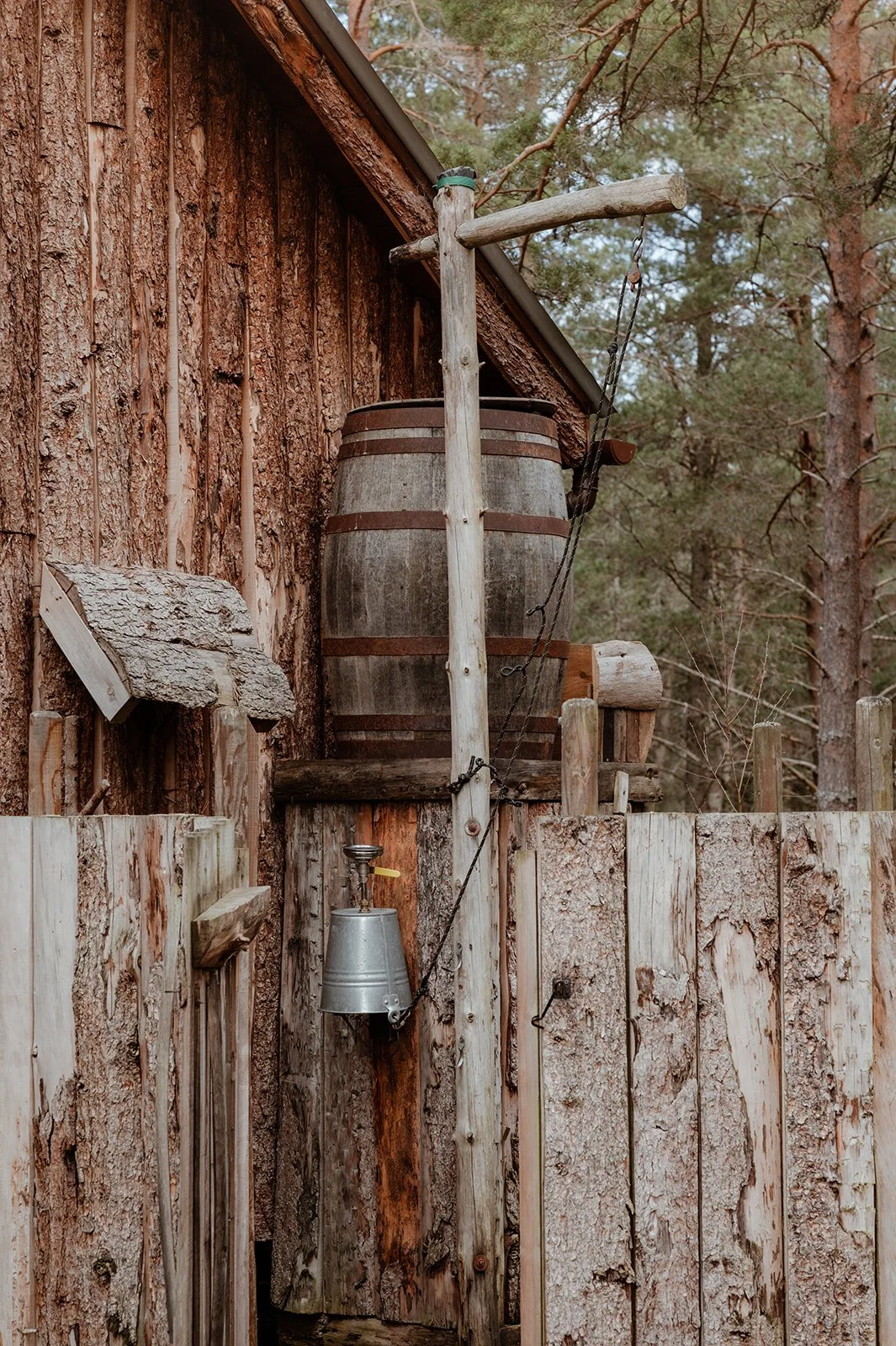
In The Duck’s Nest and The Lookout Bunkhouse you’ll find outdoor bucket showers and taps that are fed by rainwater collected in whisky barrels. Simple. Rejuvenating. Surprisingly grounding.
It’s a gentle encouragement to be more aware of the weather, water usage and an appreciation for something that is easily taken for granted.
If you like the idea of the off-grid slower pace of life you can discover more in our latest blog:
The Art of Slowing Down: A Highland Guide to Reclaiming Your Rhythm
What About Toilets? (Yes, Let’s Talk About It)
One of the highest searched topics around off-grid living is compost toilets.
So let’s answer the big question clearly:
Do compost toilets smell?
When properly maintained — no, not really.
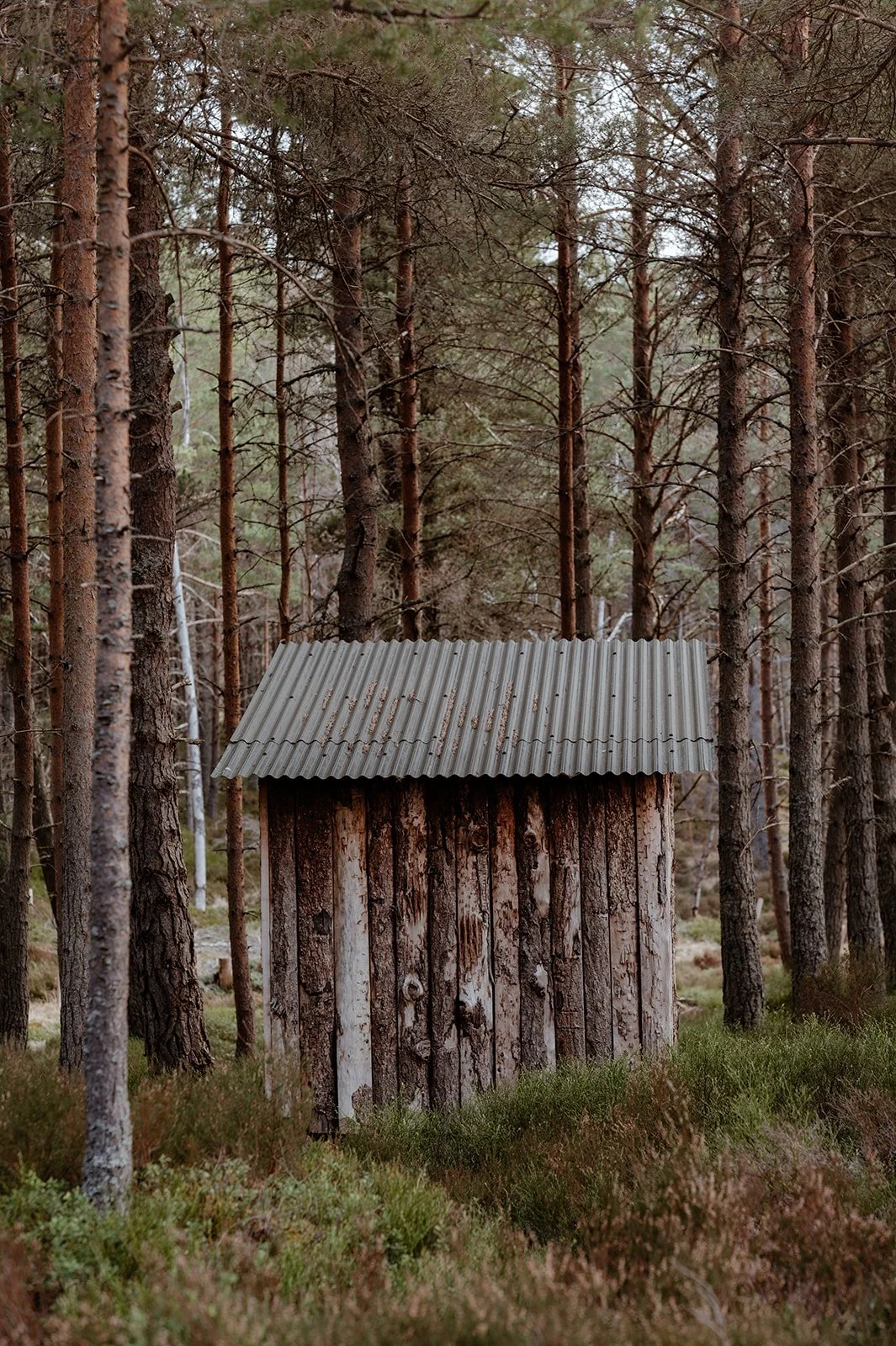
Compost toilets work by separating liquids and solids, using natural materials (we use locally produced sawdust) to aid decomposition and control odour. They require no flushing water and create compostable waste over time.
They are:
Water-saving
Environmentally friendly
Surprisingly straightforward
All of our huts use compost toilets as we believe it helps to live gently on the land.
Interestingly, it’s often a part of The Lazy Duck experience that our visitors mention and enjoy.
It’s less dramatic than people imagine.
Is Off-Grid Living Hard?
This is where curiosity turns into hesitation. Is off-grid living difficult?
It can be — if you expect it to feel identical to modern urban life. But it’s not about hardship. It’s about adjustment, perspective, and a step back towards simplicity. Off-grid living asks for:
Awareness of energy use
Simplicity in routines
Patience with weather
Comfort with quiet
What you lose in convenience, you often gain in:
Calm
Presence
Better sleep
Deeper conversations
Time
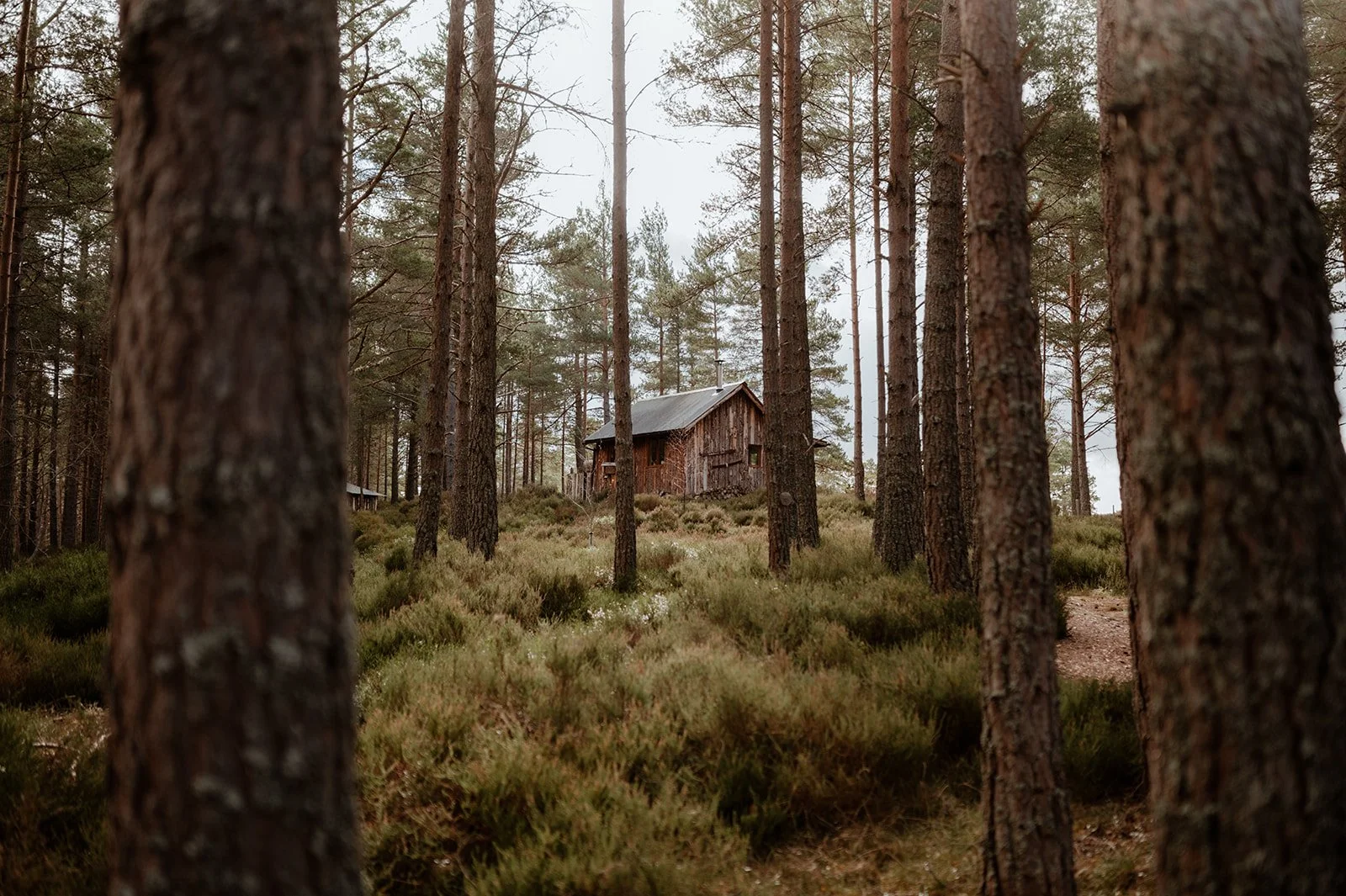
The Woodman’s Hut - our most off-grid accommodation
Our huts offer a great introduction to off-grid living. Our ‘how off-grid’ rating gives an indication of what to expect. With 5/5 being our most off-grid accommodation, whilst 1/5 offers a more conventional stay.
The Woodman’s Hut (5/5)– No WiFi, simple electrics, outdoor shower, compost toilet.
The Duck’s Nest & Lookout Bunkhouse (4/5) – WiFi available, outdoor bucket shower, compost toilet.
The Homestead (3/5) – A softer introduction to slower living. WiFi available, mains tap water, compost toilet.
Travellers’ Cottage (1/5) - a more conventional cottage stay right at the centre of The Lazy Duck
Off-grid doesn’t have to be all-or-nothing. It can be a gentle stepping stone.
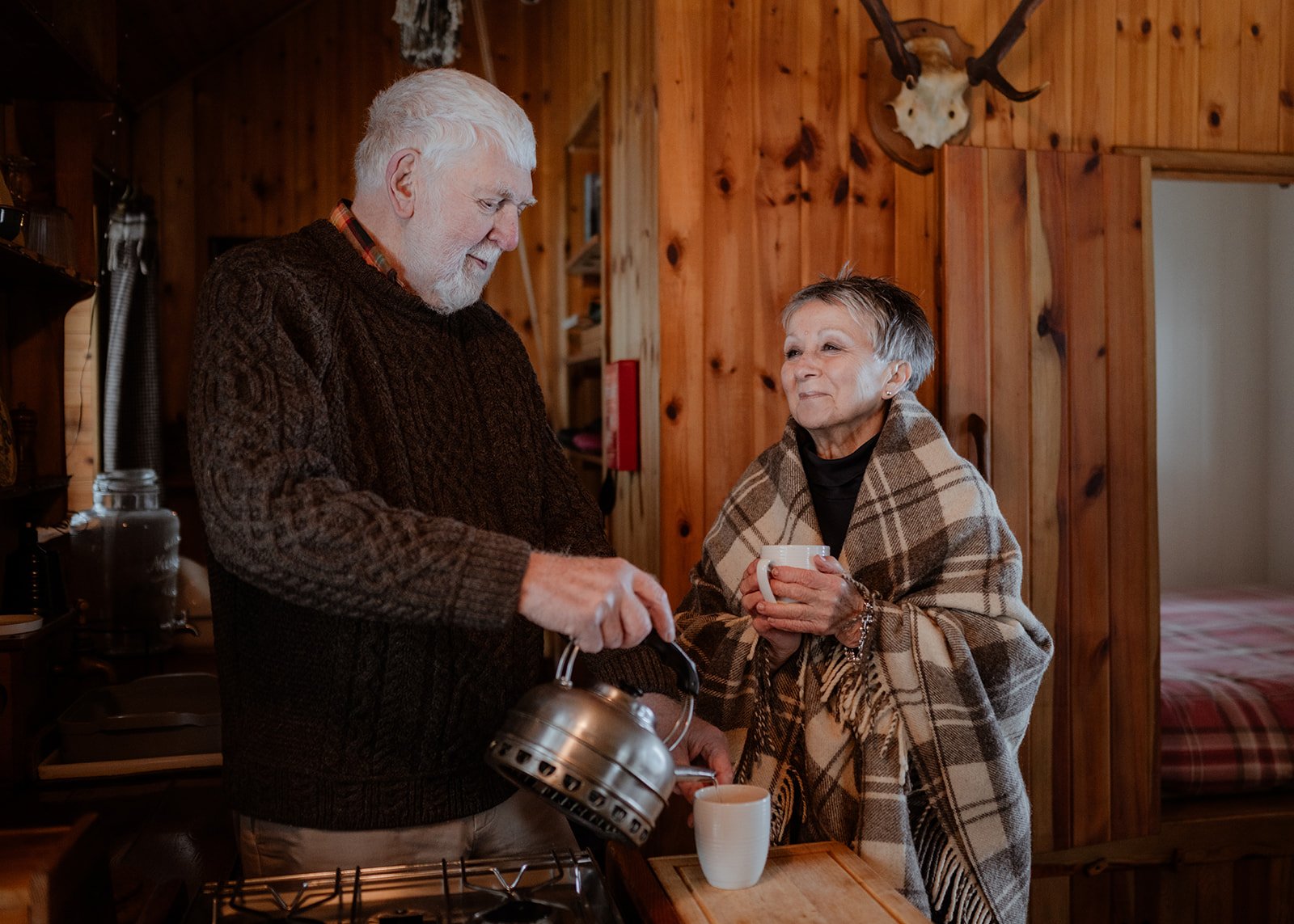
Pouring a cuppa at The Woodman’s Hut
Why Are More People Searching for Off-Grid Living?
Search interest in off-grid living UK, digital detox weekends, and simple living has grown steadily in recent years.
People are drawn to off-grid life for many reasons:
Burnout and work stress
Desire to reduce environmental impact
Rising energy costs
Curiosity about sustainable living
Wanting children to experience nature
Needing a break from constant connectivity
But beneath all of that is something quieter:
A desire to turn down the noise, switch off the tech and feel human again.
Interested in finding out more about the culture behind hutting and off-grid living? You can read all about it here:
Hutting Culture in Scotland: Bothies, Cabins, and off-grid retreats.
Can You Try Off-Grid Living Without Fully Committing?
Yes.
And this is where off-grid accommodation, like The Lookout Bunkhouse, comes in. You don’t need to move to the Highlands or build your own solar array to understand off-grid living.
You can try it for a weekend with us. It might look like this…Turn off your phone. Light the wood burner. Look towards the mountains. Notice the weather. Shower outside. Sleep beneath the stars.
A short off-grid cabin stay lets you experience:
Solar-powered lighting
Compost toilets
Outdoor showers
Minimal electricity
Real quiet
The Lookout Bunkhouse provides a family-friendly gentle introduction to off-grid living. What that means is, you don’t have to sell your house, drag your family to the middle of nowhere, build a cabin which takes a whole lot longer then you expected, and in the wise words of Kevin McCloud, compromise, compromise, compromise. You can just get away for a few days and experience it together.
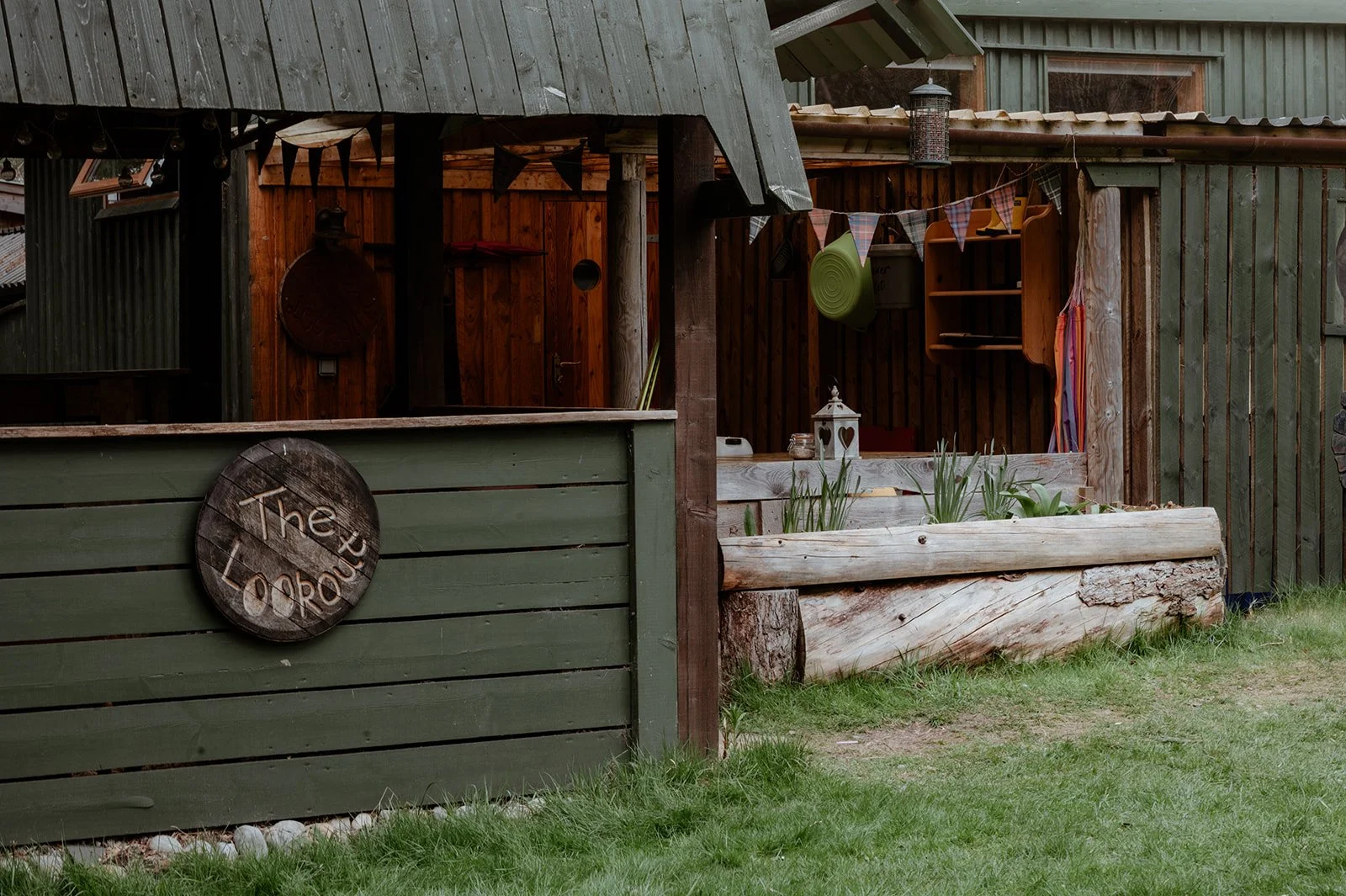
The Lookout Bunkhouse provides a family friendly off-grid experience
Is Off-Grid Living Legal in the UK?
Yes — but regulations vary depending on land use, planning permission and permanent residency.
Many people start with:
Off-grid holiday cabins
Smallholdings
Seasonal structures
Glamping or hutting models
It’s always important to check local planning rules.
But staying off-grid? That’s easy.
Is Off-Grid Living Cheaper?
It can reduce long-term utility costs, but initial setup (solar, batteries, water systems) can be expensive.
However, the deeper savings often aren’t financial.
They’re emotional.
Less consumption.
Less noise.
Less rush.
More time.
The Truth About Off-Grid Living
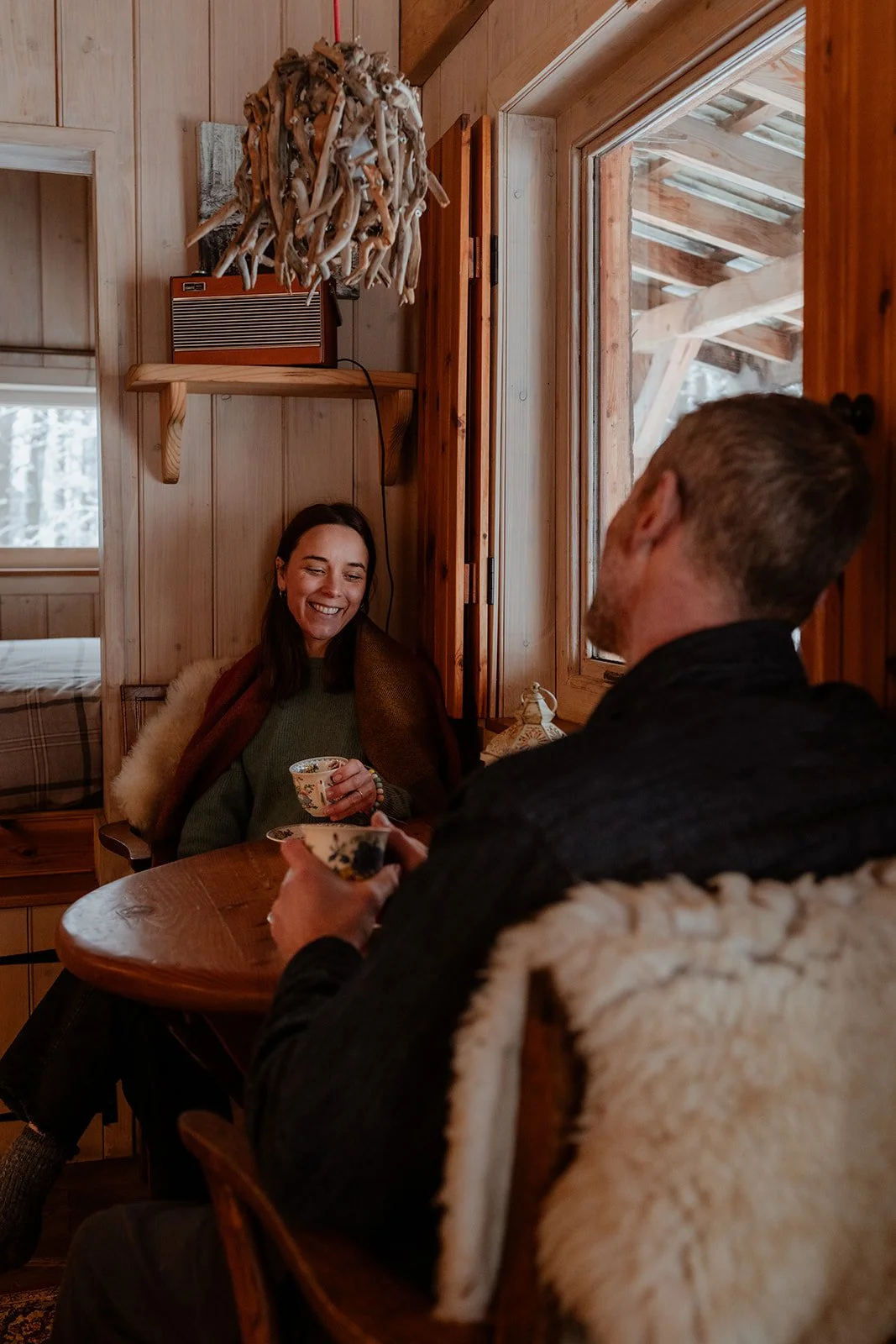
Meaningful conversations at The Duck’s Nest
Off-grid living isn’t about rejecting modern life. It’s about remembering that another rhythm exists.
At The Lazy Duck, we don’t see off-grid as extreme. We see it as an invitation to reconnect with the things that matter most.
From The Homestead to The Woodman’s Hut (5/5), each space here has been intentionally designed to encourage you to slow down, whilst still providing the opportunity for you to choose how far beyond the wires you want to go.
Sometimes the most radical thing is to say no to hurry, goodbye to the hustle and yes to a slower pace of life.
If you feel ready to try off-grid living, please do get in touch. You can also explore more of what is on offer at The Lazy Duck below…
