Work. Switch Off. Repeat: Could a Remote Working Holiday Be Good for Your Mental Well-Being?
Trading the Tube for the Scottish Trails: Reclaiming Your Wellbeing Through Remote Working Holidays
Remote working was supposed to give us freedom.
Freedom from the commute. Freedom from the office. Freedom to work from wherever we choose. But for many people, "remote" has simply come to mean working from the kitchen table. The commute has disappeared, but everything else remains, plus, when the laptop closes at the end of the day, it can be difficult to know whether you've actually left work behind.
What happens when we take the word remote more literally? What if, instead of moving your laptop from the office to your spare room, you moved your working life somewhere genuinely different? Somewhere surrounded by trees. Somewhere quieter. Somewhere you can step away from the screen and walk through a forest.
There is growing scientific interest in what happens when we change our environment in this way. Research into nature exposure, attention restoration, stress, psychological detachment and remote working suggests that where we work may influence more than just our view from the window.
It may influence how we think, how we recover from work and how we feel.
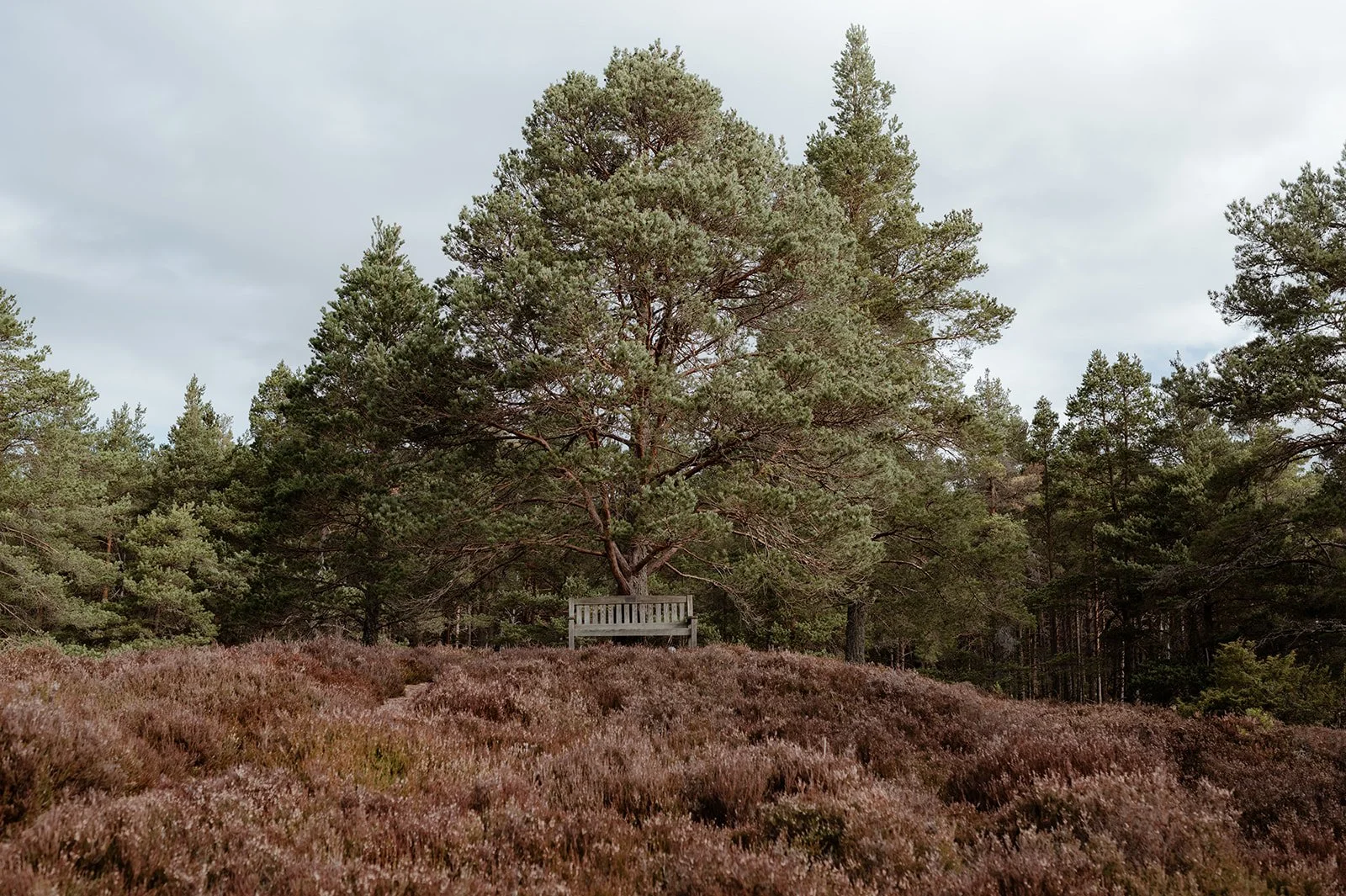
The Poet’s Seat - Lunch Break in the Cairngorms National Park, Scotland
1. Restoring Focus -Attention Restoration Theory (ART)
It turns out that many elements of urban workspaces and home environments force our brains to rely heavily on directed attention.
It’s an effortful state of concentration that actively filters out distractions like traffic, the household to-do list, or phone notifications. Over time, working remotely in these spaces can potentially lead to mental fatigue.
So what happens when those distractions are removed or replaced, even? Psychologists Stephen and Rachel Kaplan developed Attention Restoration Theory (ART), which suggests that natural environments (think rustling pine needles, gentle streams, and natural light) engage what they call "soft fascination." These gentle natural inputs hold our involuntary attention without draining cognitive energy.
So it’s possible that taking work breaks in a woodland setting, for example, can actively recharge your capacity for deep focus, specifically with regards to working memory, and cognitive flexibility, leaving you far more refreshed than taking a break at the kitchen table or your local coffee shop. While having a daily desk next to a forest isn't always possible, structuring a dedicated remote working holiday can offer the circuit-breaker your brain needs to get big projects over the line.
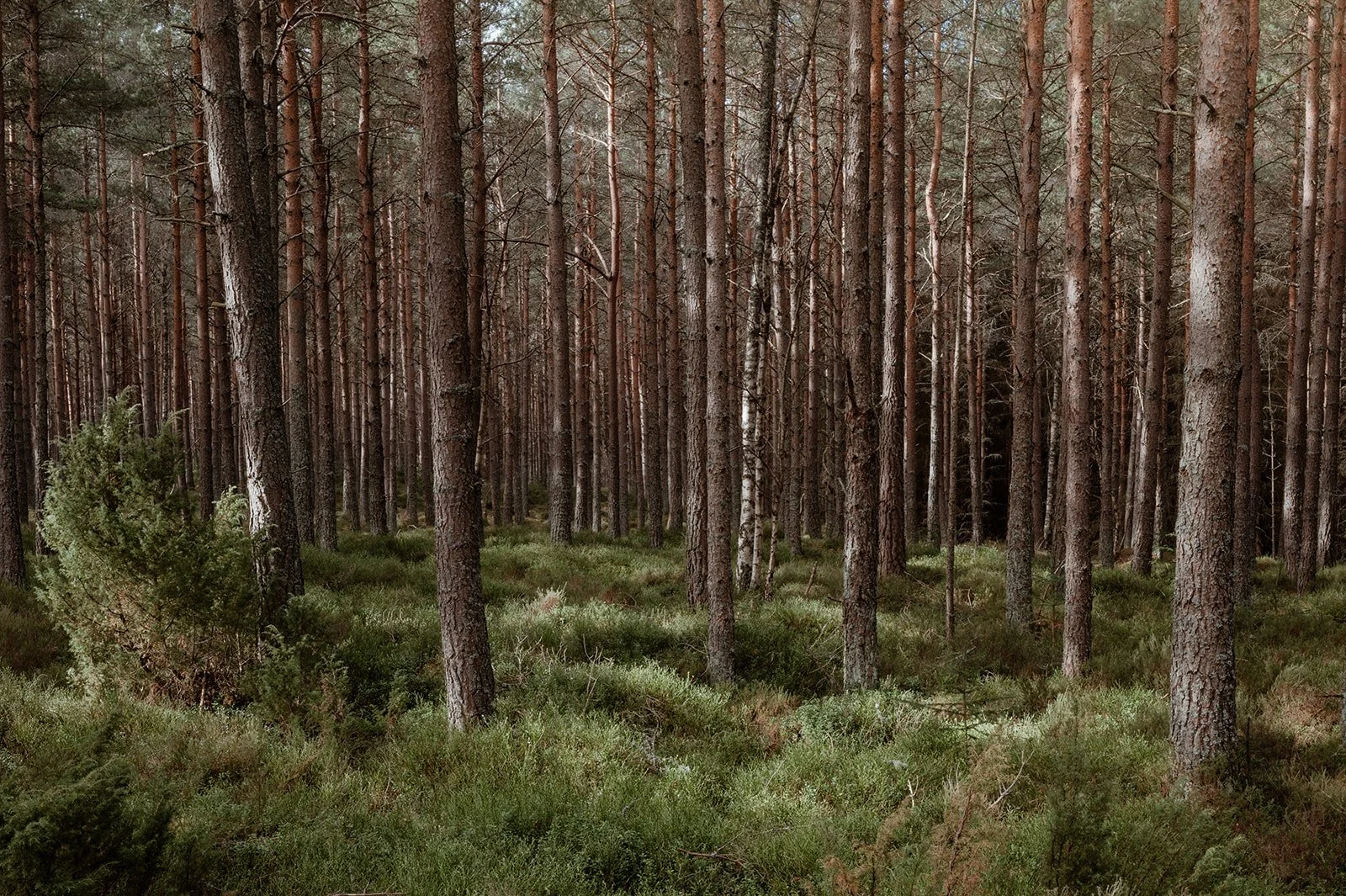
The Abernethy Forest in The Cairngorms National Park, Scotland
2. Lowering Physiological Stress Through Forest Bathing (Shinrin-yoku)
There is also evidence to suggest that moving your working space into nature directly impacts your nervous system.
The Japanese practice of Shinrin-yoku (forest bathing) has become quite popular in the UK recently, it’s all about immersing oneself in a forest atmosphere. Sounds a bit funky, right? But the concept has actually been studied extensively for its physiological impacts.
Research shows that natural environments rich in plant compounds called phytoncides significantly reduce salivary cortisol (the primary stress hormone), decrease blood pressure, and suppress a bit of that fight or flight activity. So as it happens, spending lunchtime immersed in a pine forest rather than sitting surrounded by a cityscape can offer genuine nervous system recovery, measurably reducing daily workplace stress.
3. Increase Productivity and Capacity by Working When it Works For You
Despite a whole load of research suggesting the traditional 9-to-5 schedule isn’t the most efficient model for everyone, the majority of work places still hold onto this rigid structure, and simply working from home doesn’t automatically break this mould.
If you’re a night owl forced into an early morning routine, you can experience what psychologists call "circadian misalignment," which lowers cognitive performance and increases mental exhaustion.
Studies on chronotype-schedule alignment indicate that when we sync our work hours with our natural circadian rhythms, both self-perceived productivity and mental energy increase significantly. An intentional remote working holiday can be a great invitation to play around with the best schedule for your biological clock.
If you're an early bird, that might mean squeezing in a morning forest run, knocking out the hard work during your peak hours, and then winding down by a wood-burning stove with a good book when your flow state tapers off. If you thrive later, why not spend the day in the hills hiking and reserve your focus sessions for the afternoon / evening.
Read the Chronotype and Work Schedule Alignment Studies here.
4. Enforcing True Psychological Detachment
One of the largest hurdles of working from home is the difficulty of mentally "switching off" during non-work hours.
When your desk is only five feet from your sofa, it feels as though work remains present in your living space long after you log-off.
Occupational psychologist Sonnentag and Bayer’s research on work recovery demonstrates that psychological detachment, the ability to mentally disconnect from work tasks outside of working hours, is vital for preventing burnout and can even support long-term life satisfaction. Ahh, that would be nice, wouldn’t it?
By physically changing your geographic location to an environment designed for rest and exploration, you create clear boundaries. Switching off notifications at 5:00 PM on a remote working holiday can offer far stronger psychological recovery when there is a divide between your working space and your relaxing space. You aren't just closing a laptop tab; you are stepping into a completely different environment.
Switching Off Mentally: Predictors and Consequences of Psychological Detachment
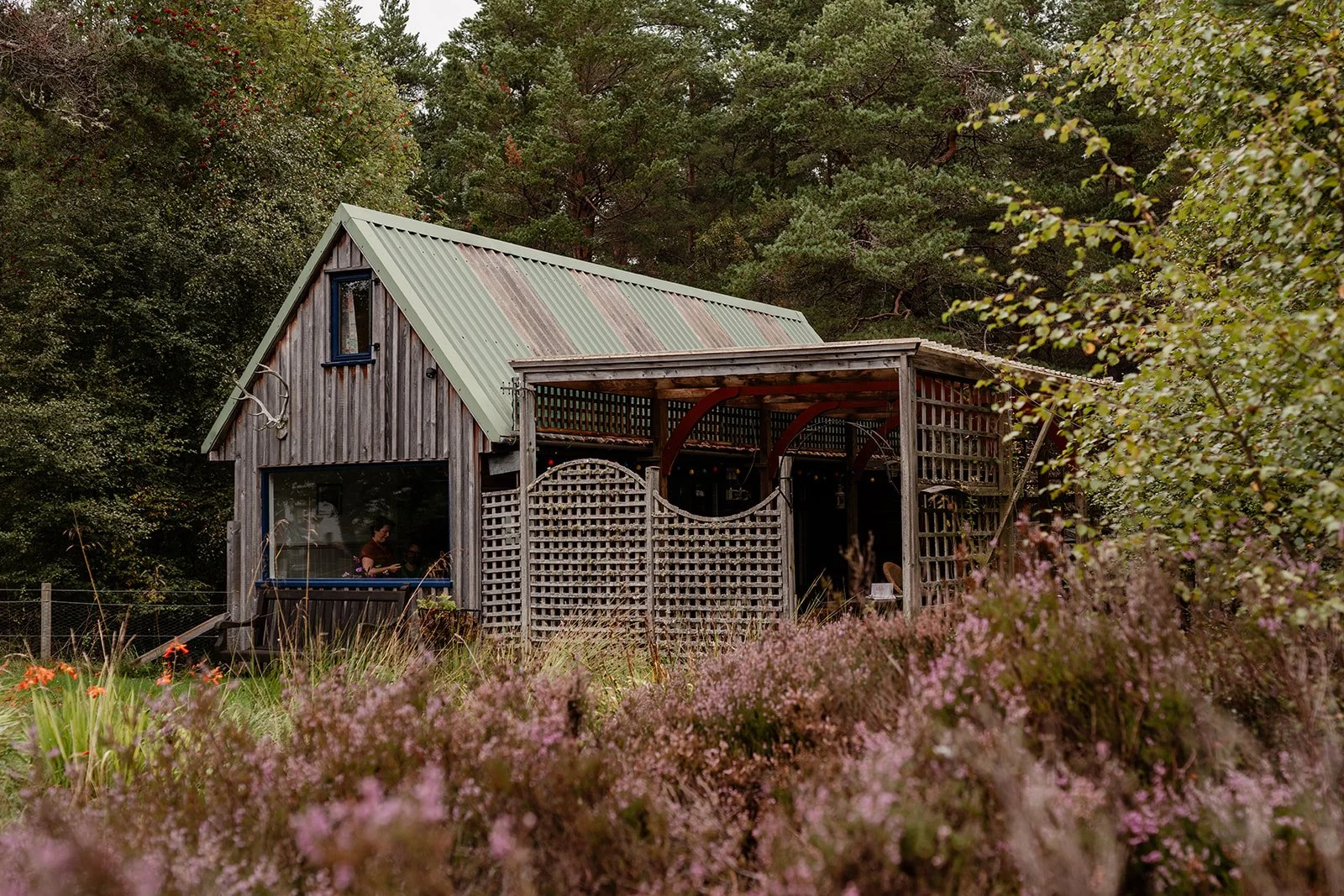
Head | Space Nethy - Remote Working Holiday in the Scottish Highlands
5. Escaping Domestic Friction and Micro-Task Fatigue
I find working from home introduces a continuous stream of distractions.
It’s easy to think, "I may as well chuck a load of laundry in during this call," or "mowing the lawn will only take twenty minutes." I find stopping these chores creeping into my day is surprisingly difficult, and research shows these micro-tasks cause "context switching", a habit that fragments focus and steadily drains mental stamina throughout the day.
Interestingly, there is a body of research that highlights the importance of "low-distraction, low-demand environments" for mental recovery. In a dedicated remote working retreat, the home to-do list disappears. You literally can’t fix that wobbly toilet seat thats been needing a few screws for the last couple of weeks. Instead, breaks can be spent going for a wander through the forest rather than loading a dishwasher.
Replacing chore-filled downtime with truly restorative moments eliminates micro-task fatigue and can restore your head space for the tasks that actually matter.
Recovery Experience Questionnaire & Environmental Restorativeness
Reclaiming Your Wellbeing in the Scottish Highlands
Remote work promised us flexibility, but without intentional boundaries, it can too often lead to silent burnout.
You don't have to choose between keeping up with your career and protecting your mental health. By stepping out of your everyday environment and grounding your working routine in nature, you can return home feeling energised, relaxed, and productive…all without using up a single day of annual leave.
Ready to Reset Your Working Routine?
If this sounds like a nice idea, come and try out a workation at The Lazy Duck designed to separate your working space from your resting space. Explore our off-grid workation setup in the Cairngorms National Park, Scotland, featuring a dedicated co-working space (Head | Space Nethy), off-grid forest huts, a sauna, and a whole load of beautiful trails in the heart of the Abernethy Forest.
Remote Working Holidays at The Lazy Duck.
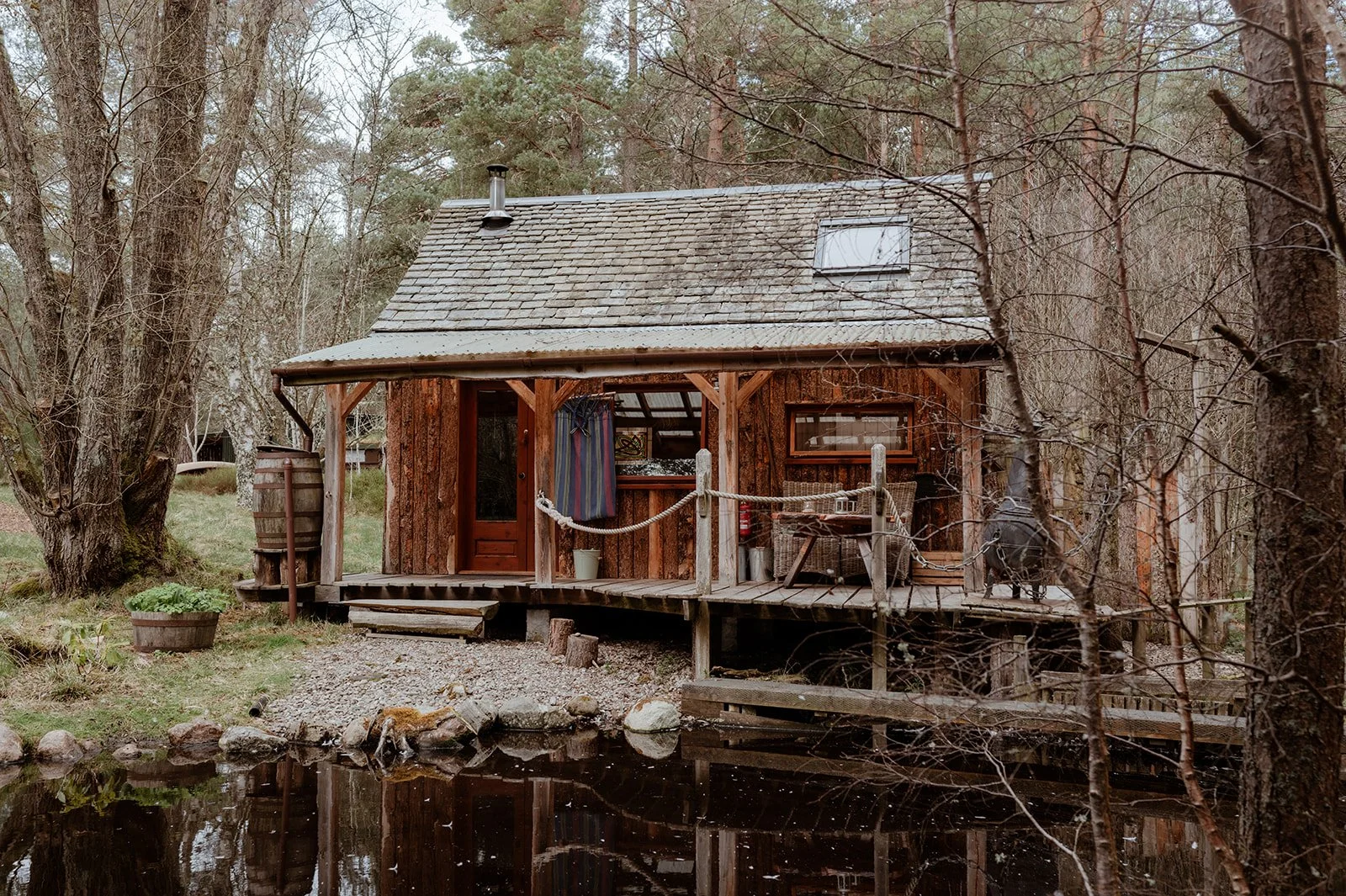
The Ducks Nest - A semi-off grid cabin within walking distance of Head | Space Nethy
