Workation UK: How to Work Remotely Without Giving Up Your Time Off
Working from home gives you freedom. No commute, no crowded train, and no need to be tied to an office every day.
But after a while, something strange can happen.
You find yourself working from the same desk, looking at the same four walls, taking the same lunch break and finishing the day in exactly the same place you started it. The flexibility is there, but the feeling of freedom isn't always.
That's where a workation comes in.
A workation combines working remotely with a change of scenery, giving you the opportunity to get out of your usual routine while still keeping up with work. Instead of taking a week completely away from work, you might spend a few days working somewhere beautiful, then use your evenings and free time to properly switch off.
Done well, a workation isn't simply working on holiday.
It's about creating a better environment for both.
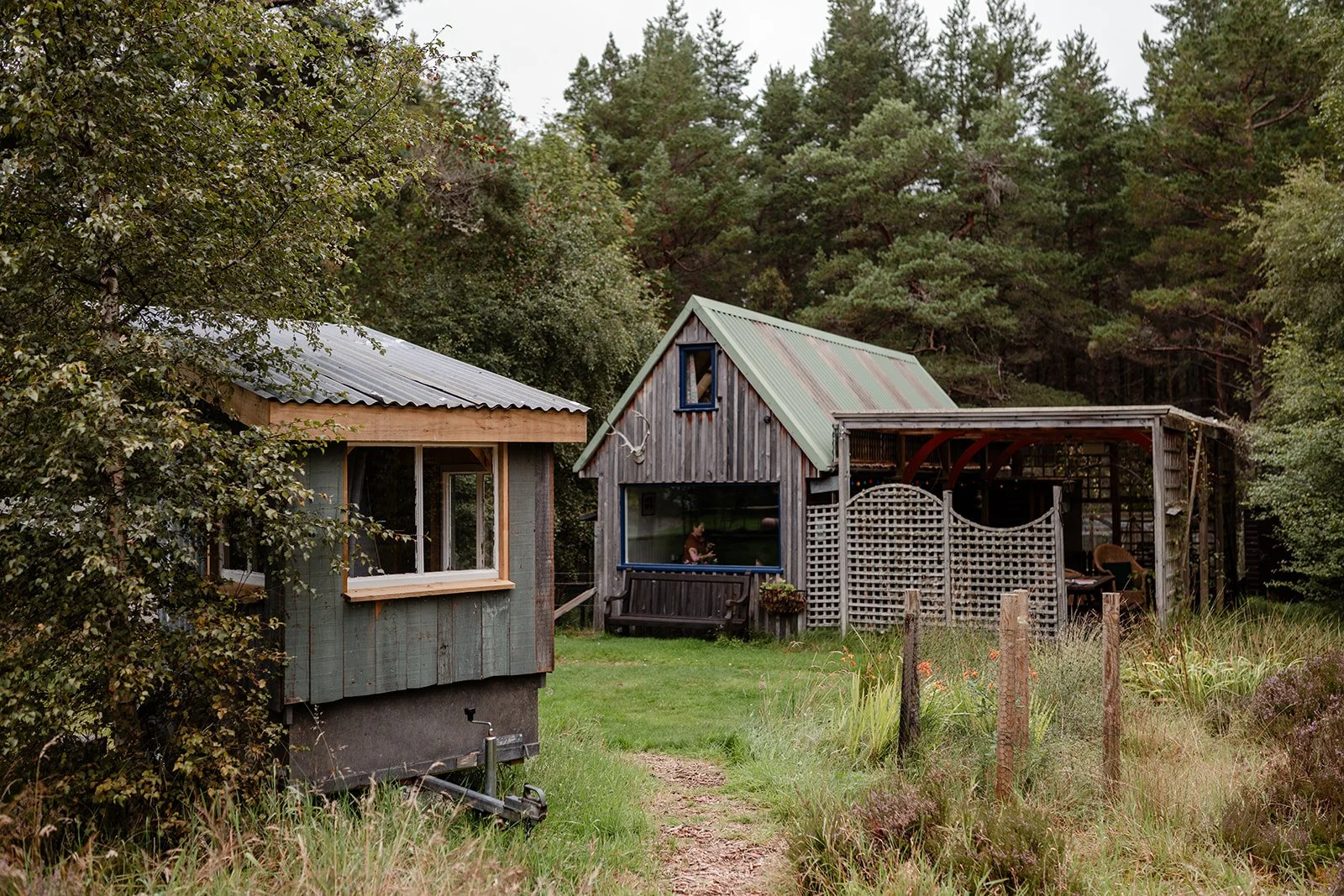
Head | Space Nethy
What is a workation?
A workation is a trip where you combine remote working with time away from your normal surroundings.
You might work for a few days from a countryside cottage, a cabin in the woods, a coastal retreat or a dedicated work retreat, while enjoying the surrounding area before, after, (or even during) work.
The idea is particularly appealing to people who have some flexibility over where they work. Rather than spending another week at home, you can take your laptop somewhere that gives you a completely different environment.
And you don't necessarily need to choose between being productive and having time to yourself.
The secret is creating a clear separation between the two.
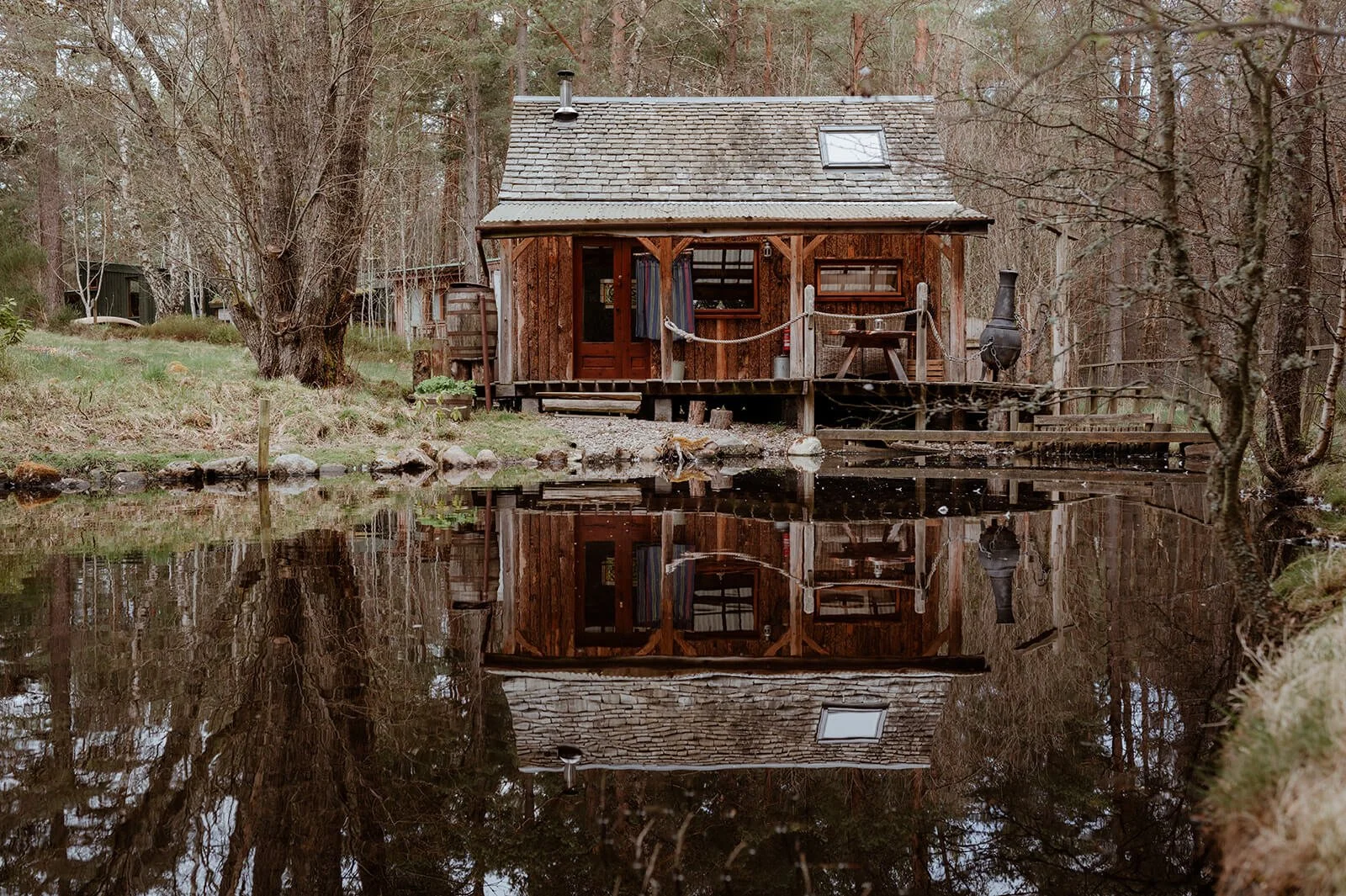
The Duck’s Nest - Cairngorms National Park
Why take a workation?
There are plenty of reasons to change your working environment for a few days.
A change of scenery can change your routine
When you work from home, the boundaries between work and everything else can become blurred.
The laptop comes out at breakfast. Emails follow you into the evening. You might finish work and immediately start cooking dinner, watching television or doing household chores.
A workation physically removes you from that routine.
You're somewhere new. There are new places to walk, different surroundings to explore and fewer of the everyday distractions that normally fill your time.
Even a few days away can make your working week feel very different.
You can get away without completely stopping work
Not everyone can simply disappear for a week.
Perhaps you have a project to finish, clients to look after, meetings to attend or a business that needs your attention.
Depending on your job and working arrangements, a workation can provide a way to change your surroundings without taking an entire week away from work.
You work your normal hours, or agree a slightly different routine with your employer, and then use the time before or after work to explore and relax.
It can be easier to concentrate
Your home is full of distractions.
There is always something that needs doing. The washing. The kitchen. A delivery. A neighbour. A quick job in the garden. The temptation to check the news or make another cup of coffee.
A dedicated working environment removes some of those distractions.
For people who need to concentrate on a particular project, a few days away can provide valuable space for deep work.
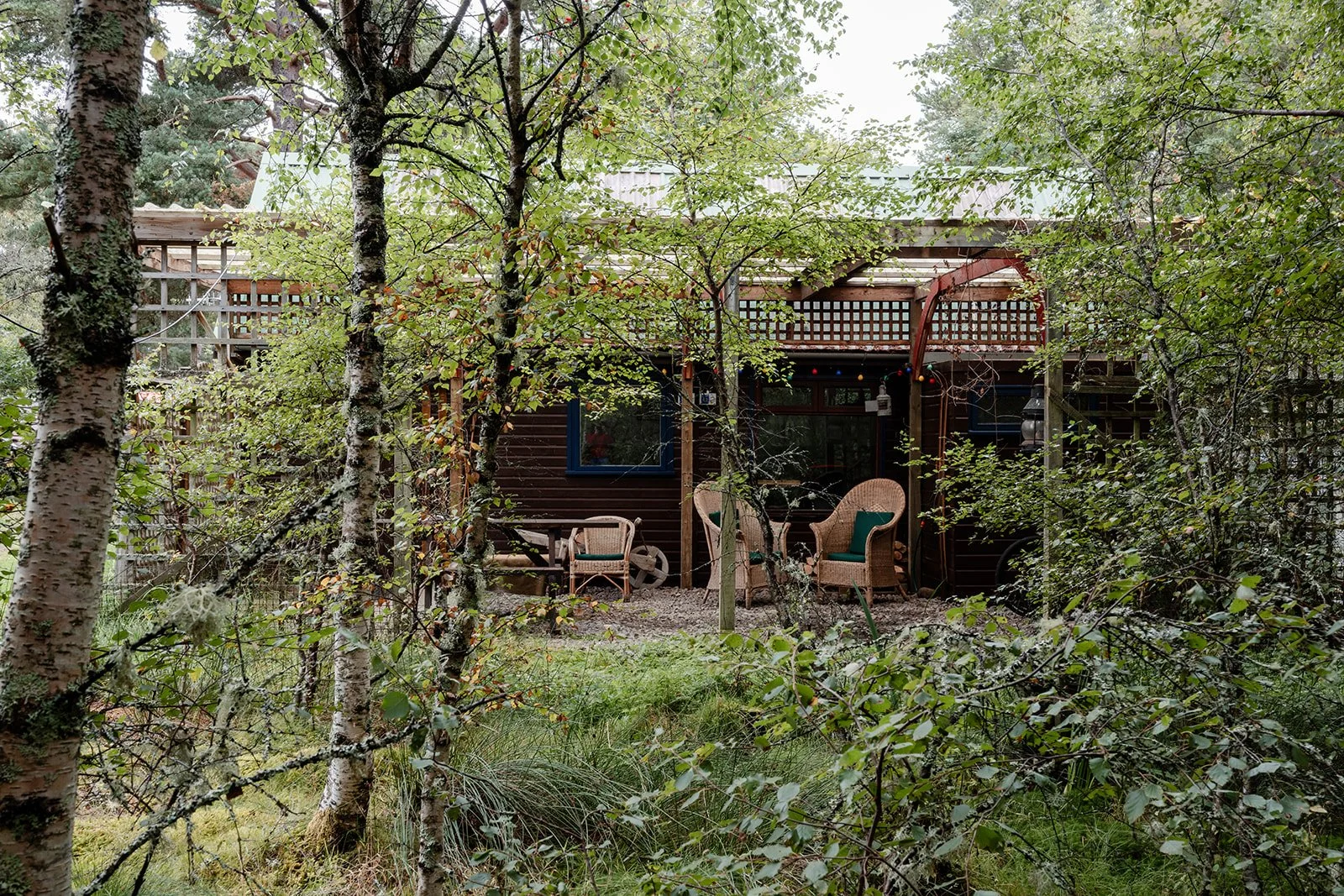
Outdoor Seating at a Remote Co-Working Space
The biggest mistake: working from your holiday accommodation
This is where many workations fall down.
It sounds idyllic to open your laptop in a beautiful cabin overlooking the forest.
But after several hours of emails, spreadsheets and video calls, you're still sitting in the same place where you're supposed to relax.
The laptop is on the table.
Your phone is beside you.
Your work is still visible.
And when five o'clock arrives, it can be surprisingly difficult to switch off.
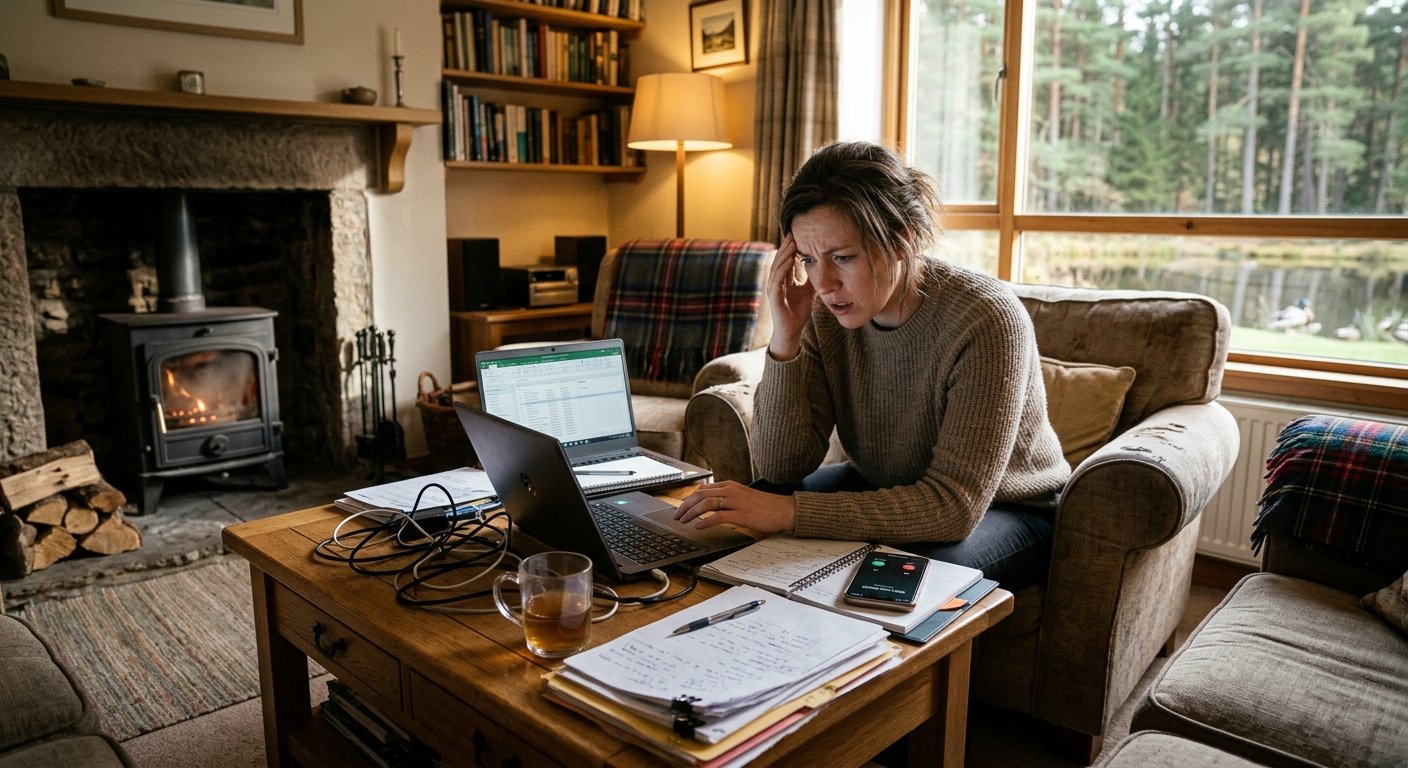
Don’t combine your work space with your holiday space.
The solution is physical separation
The best workation setups separate where you work from where you relax.
Your accommodation should feel like somewhere you can escape to.
Your workspace should feel like somewhere you can get things done.
That might mean walking to a co-working space each morning, spending the working day there, and then physically leaving work behind when you're finished.
It's a simple idea, but it creates a much stronger boundary between the two parts of your day.
What makes a good workation?
Not every remote-working destination makes a good workation. Before booking, there are a few things worth considering.
1. Reliable Wi-Fi
This is non-negotiable if you have meetings, cloud-based work or anything else that depends on a reliable connection.
There's a big difference between somewhere that technically has Wi-Fi and somewhere designed for people who actually need to work.
If you're planning a workation, check the internet arrangements before you book.
2. A proper place to work
Working from a sofa or balancing your laptop on a kitchen table might be fine for an hour.
It's less appealing for a full working day.
A good workation should have access to a comfortable desk, suitable seating, power and somewhere you can concentrate.
If you have video meetings, it's also worth considering whether there is a quiet space where you can take calls.
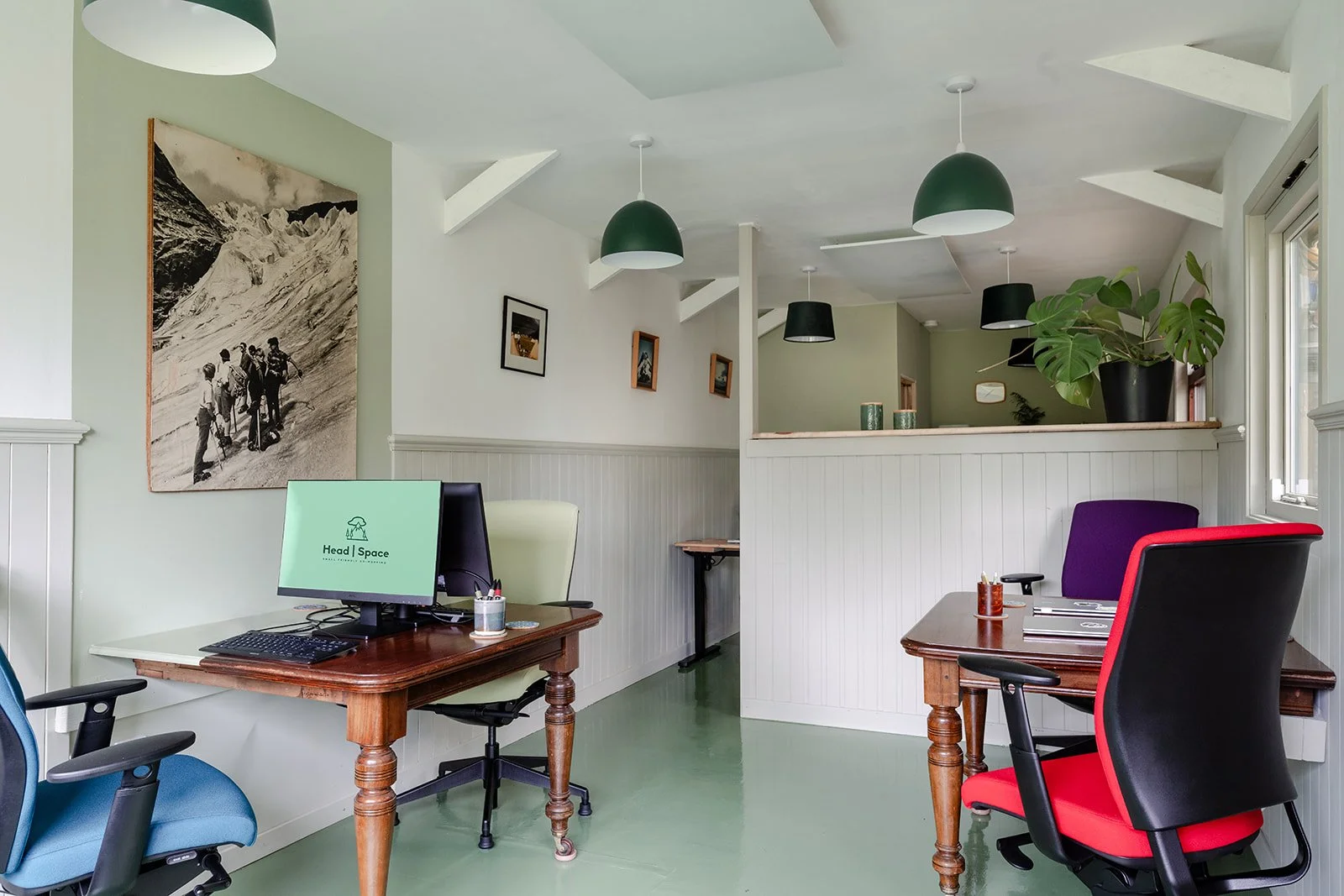
Desks at a Remote Working Space in The Cairngorms National Park
3. Somewhere genuinely relaxing
This is the part that distinguishes a workation from simply working somewhere else.
Once your working day is finished, what is there to do?
Can you walk straight into nature?
Is there somewhere to sit outside?
Can you go for a swim, visit a sauna, explore the local area or simply sit beside a fire?
The more enjoyable your time away from the screen, the more worthwhile the workation becomes.
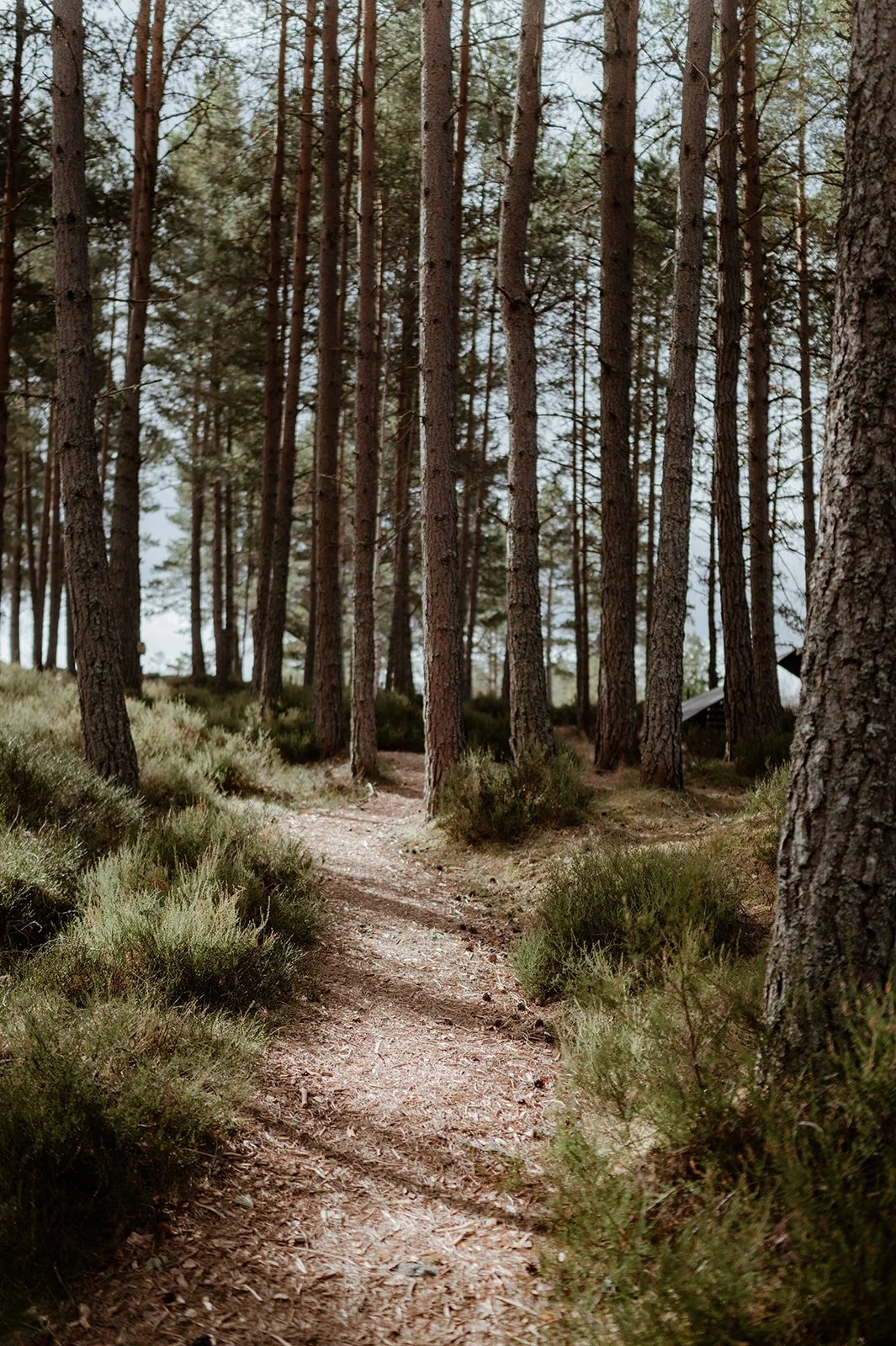
Forest paths on the doorstep
4. A clear boundary between work and downtime
This might be the most important consideration of all.
If you spend the entire day working in your bedroom, it can be difficult to feel as though you've actually gone anywhere.
A separate workspace gives you a natural ritual.
Walk to work.
Do the work.
Close the laptop.
Leave.
Your free time starts when you walk away.
What can you do after work?
One of the great advantages of a workation is that you don't have to wait until the weekend to enjoy your surroundings.
A normal working day might finish at five or six o'clock, leaving plenty of time to do something completely different.
Depending on where you stay, that could mean:
Going for a forest or countryside walk
Exploring local trails
Visiting a village pub or restaurant
Cycling
Sitting outside with a coffee
Using a sauna
Booking a massage
Reading somewhere quiet
Cooking dinner
Watching the sunset
Sitting around a fire
Looking for wildlife
Simply doing nothing
The point isn't to fill every available hour.
In fact, the best workation might be one where you deliberately leave some time completely empty.
Why consider an off-grid workation?
An off-grid workation might sound like a contradiction. If you're going somewhere to escape technology, why take your laptop? But that's precisely what makes the concept interesting.
The aim isn't necessarily to disconnect during working hours. It's to disconnect when you're finished.
During the day, you have the internet, a desk and everything you need to work effectively.
After work, you leave that environment behind. No long commute. No office. No temptation to keep checking your work messages while sitting in your accommodation. Just trees, fresh air, walking trails and whatever you choose to do with your evening.
For people who spend most of their working lives online, that contrast can be surprisingly powerful.
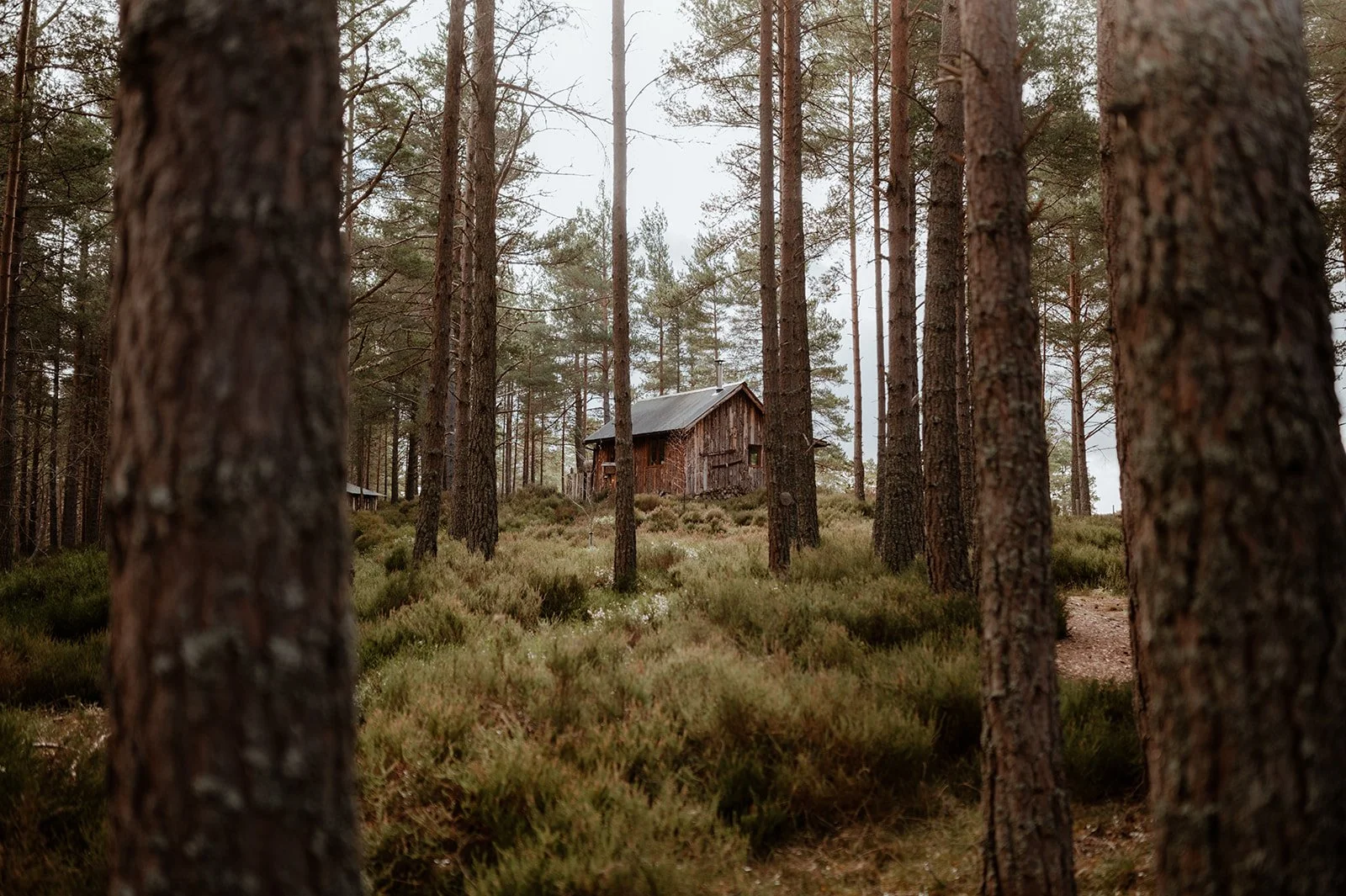
The Woodman’s Hut at The Lazy Duck
A workation in the Scottish Highlands
The Scottish Highlands are particularly well suited to this kind of escape.
The landscape provides an immediate contrast to city life, while the Cairngorms offer forests, mountains, lochs, wildlife and an enormous amount of space to explore.
And because you don't have to take the entire day off, you can experience the landscape around your working hours.
Imagine starting the morning with a walk through the forest, spending the working day somewhere with reliable Wi-Fi and a proper desk, then closing your laptop and heading straight back into the trees.
There's no need to choose between a productive day and an evening that feels like a genuine escape.
A different kind of work retreat at The Lazy Duck
At The Lazy Duck, near Nethy Bridge in the Cairngorms National Park, we've created something that fits this way of working particularly well.
Our accommodation is deliberately separate from our co-working space.
You can stay in one of our off-grid woodland huts, cabins or bunkhouse accommodation, surrounded by Scots pine forest and the landscapes of the Cairngorms.
When it's time to work, you can pop down to Head |Space Nethy, our dedicated co-working space on-site.
There you'll find fast, reliable Wi-Fi, comfortable working facilities, coffee and a small meeting hut for calls and meetings.
Then, when the working day is finished, you leave the workspace behind.
You can return to the woods, head out for a forest walk, spend time in the sauna, arrange a massage or simply settle into your accommodation and enjoy being somewhere quiet.
The work is still part of your day.
But it doesn't have to be part of your evening.
How to plan your own workation
Get your work done here.
If you're considering trying a workation for the first time, start small.
A three or 4-night midweek stay can be enough to find out whether the idea works for you.
Before booking, consider:
How much do I actually need to work?
If you have flexibility, decide whether you'll work your normal hours or create a different schedule.
What do I need from a workspace?
Think about Wi-Fi, desk space, video calls, power and privacy.
How will I separate work from downtime?
Ideally, your workspace and accommodation shouldn't be the same place.
What do I want to do when I'm not working?
Choose somewhere that gives you activities and experiences you genuinely enjoy.
Will I actually switch off?
Decide in advance when your working day ends and try to stick to it.
Work somewhere different.
Switch off somewhere peaceful.
A workation doesn't have to mean squeezing a laptop onto a coffee table in a cosy cottage and answering emails, turning your holiday accommodation into an office.
The best workations create a deliberate separation between the two.
You have somewhere comfortable and reliable to work.
Then, when the laptop closes, you have somewhere completely different to go.
For some people, that might be the coast.
For others, a countryside cottage.
And for those looking for a deeper escape, it might be an off-grid cabin in the Scottish Highlands.
At The Lazy Duck, that's exactly what we're trying to create: a place where you can get your work done, then genuinely leave it behind.
Discover workations at The Lazy Duck →
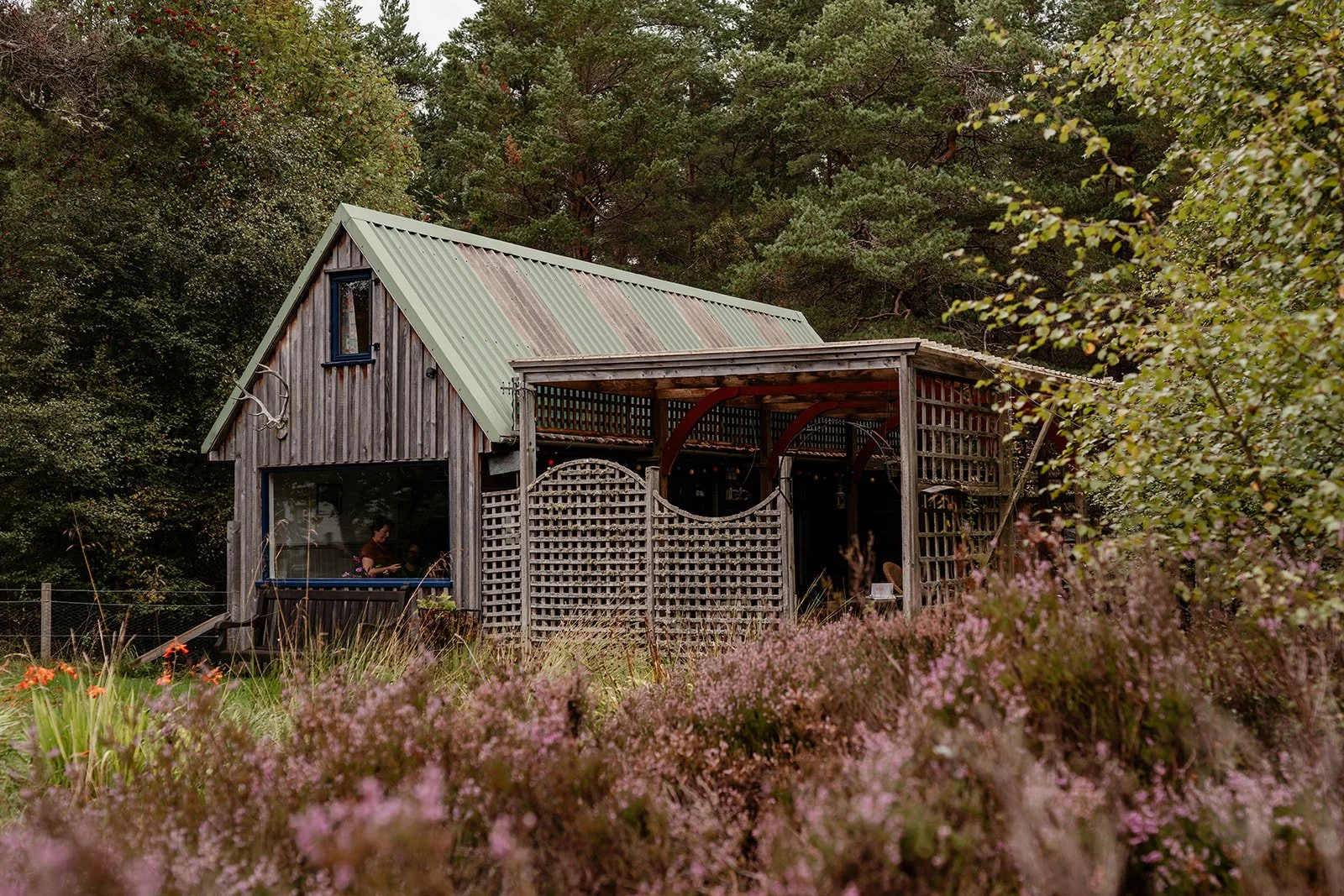
Head | Space Nethy
